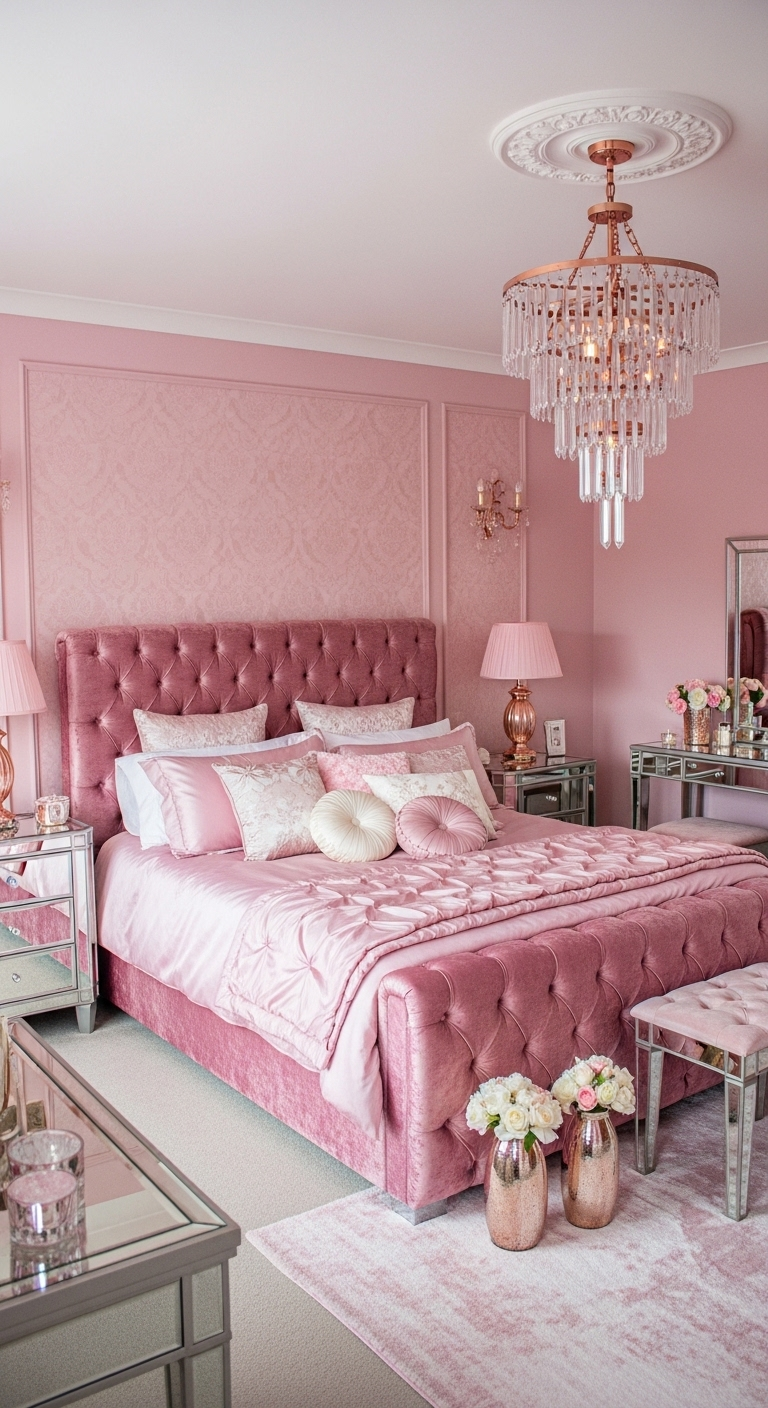
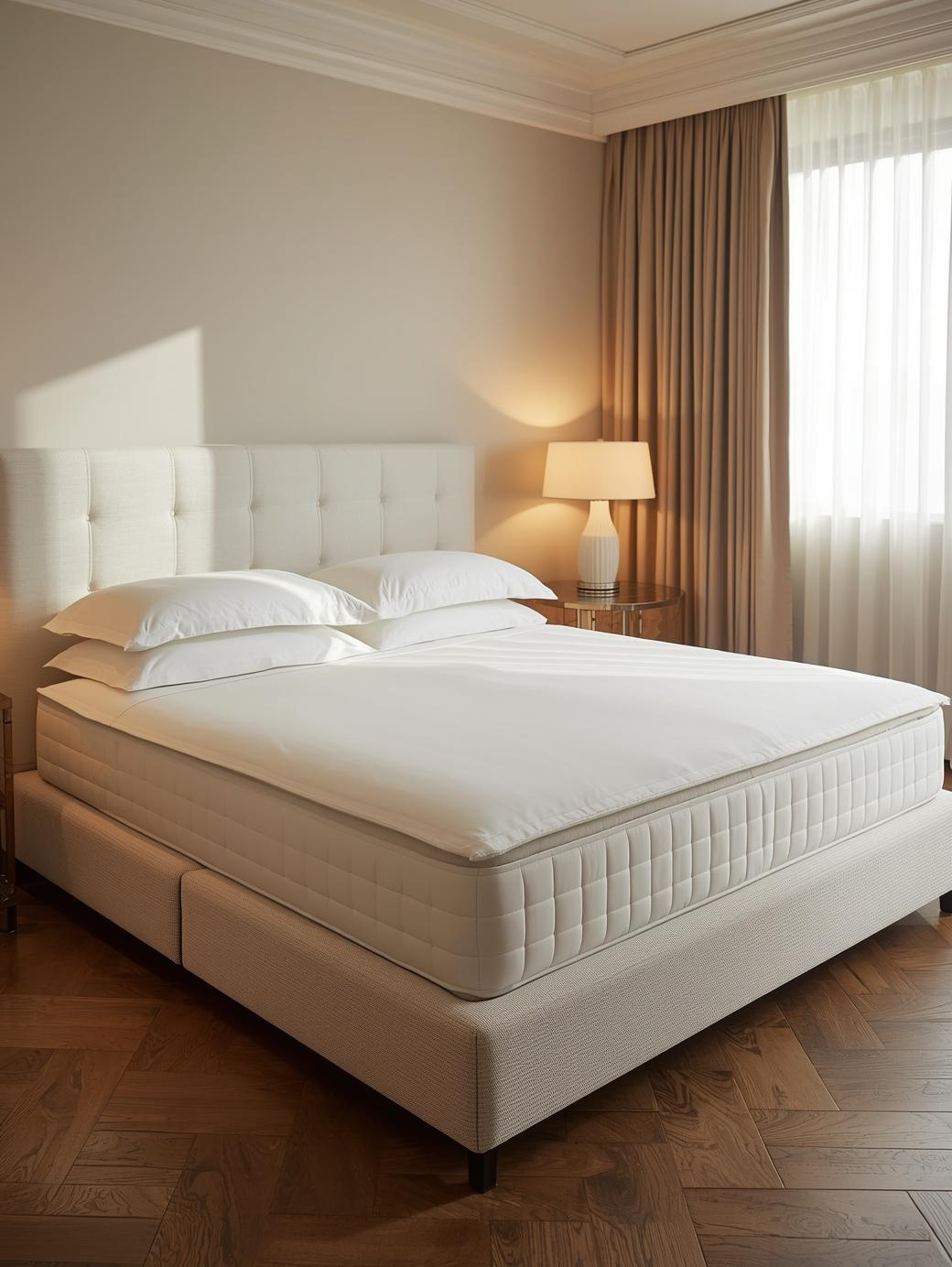
The Secret to a Perfect Guest Bedroom?
Try These 15 Ideas
A guest bedroom is one of the most meaningful rooms in a home, because it communicates something important about how much you value the people who come to stay. A room that is simply functional tells guests they are accommodated. A room that is genuinely considered tells them they are truly welcome. The difference between the two is rarely about budget or square footage. It is about the small, thoughtful decisions that add up to an experience guests remember long after they have returned home. Whether you have a dedicated spare room or a space that doubles as a home office or reading room, the fifteen ideas in this guide will help you create a guest bedroom that makes every visitor feel like they have checked into a private boutique hotel rather than simply borrowed a spare bed.
Idea 01
Invest in a Hotel-Quality Mattress
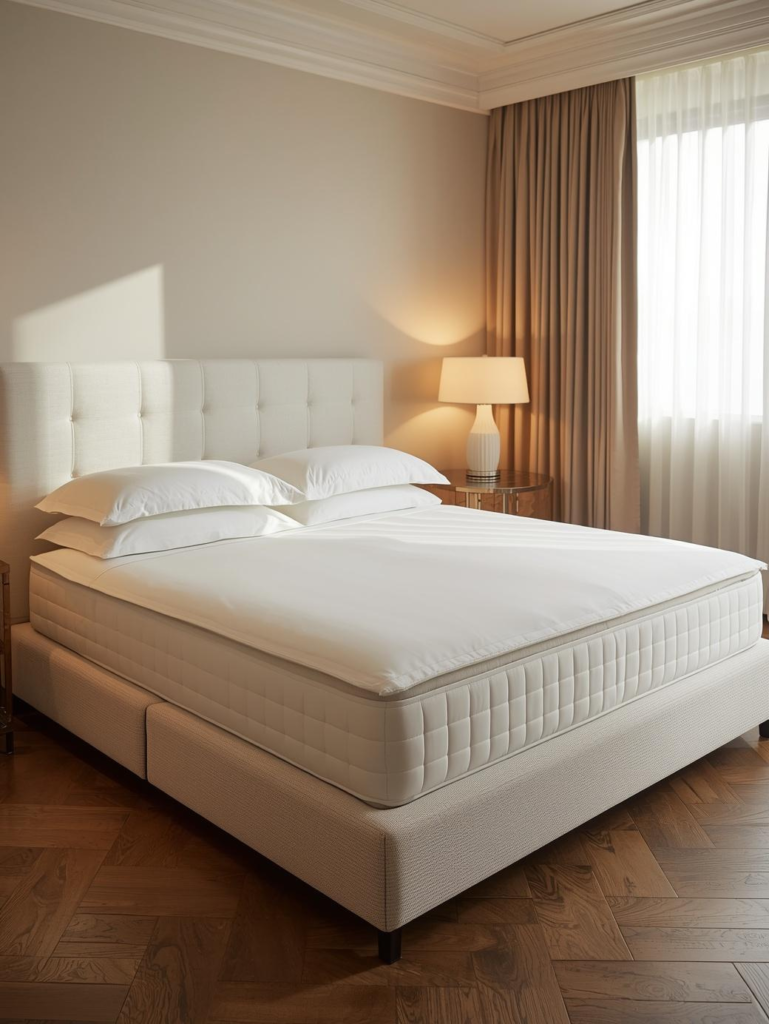
The mattress is the single most important element of a guest bedroom because no amount of beautiful decor, thoughtful accessories, or carefully chosen lighting can compensate for a poor night of sleep. A guest who sleeps badly will remember it regardless of how lovely the room looks, while a guest who sleeps extraordinarily well will feel genuinely cared for even if the rest of the room is modest. Investing in a good quality mattress for the guest room is therefore not an extravagance but a fundamental act of hospitality that pays dividends in guest satisfaction every single time the room is used.
A medium-firm mattress is the safest choice for a guest room because it suits the widest range of sleeping positions and body types, making it appropriate for the variety of guests who will occupy the room over time. Memory foam, pocket spring, and hybrid mattresses are all strong options at different price points, and all perform significantly better than the basic foam mattresses that guest rooms often end up with by default. Protecting the mattress with a good quality mattress protector and topping it with a mattress topper adds a layer of plush comfort that elevates the sleeping experience further and makes the bed feel genuinely luxurious without replacing the mattress itself.
Idea 02
Layer the Bedding Like a Luxury Hotel
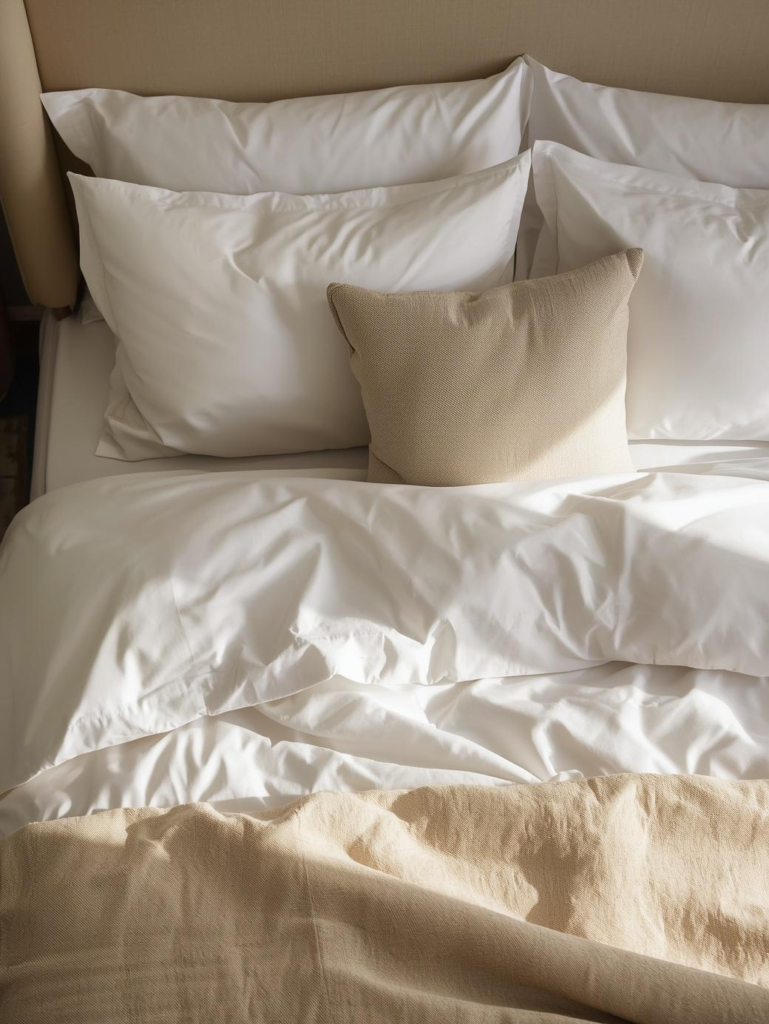
The layered bedding approach used in luxury hotels is one of the most transferable techniques in hospitality design, and it works in a guest bedroom of any size or budget because it is about arrangement and quality rather than quantity of pieces. Starting with crisp, high-thread-count white cotton sheets as the base layer, adding a generously filled white duvet, and finishing with euro pillows in matching white pillowcases creates the clean, abundant look that immediately communicates quality and care. The visual effect of a well-made bed with layered white bedding is one of the most universally welcoming sights in interior design.
The foot of the bed is where the layering technique adds the most additional warmth and visual richness. A neatly folded lightweight blanket or throw in a complementary neutral tone placed across the lower third of the bed adds both a decorative element and a genuinely practical one, as guests can pull it up for extra warmth without having to search for additional bedding. Two or three decorative cushions in textured natural fabrics placed in front of the sleeping pillows complete the hotel-style composition without overcomplicating it. The goal of the entire arrangement is to make the bed look so inviting that a guest’s immediate instinct upon entering the room is to lie down.
Idea 03
Provide a Dedicated Bedside Table
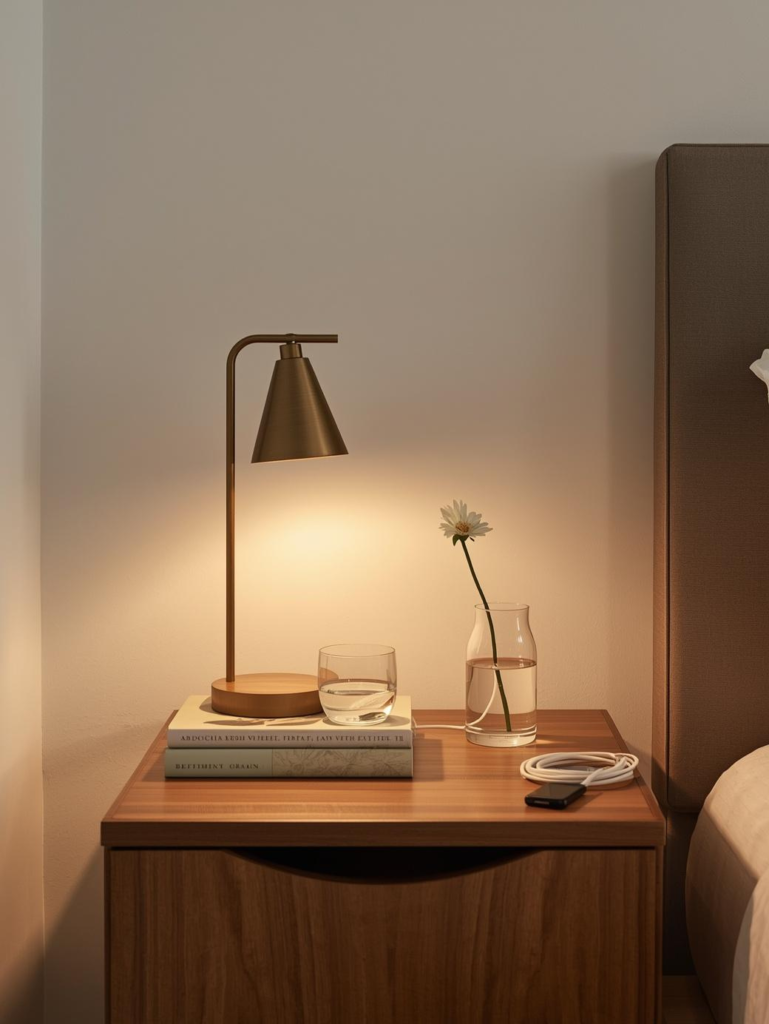
A bedside table is one of those elements that is so fundamental to a comfortable bedroom experience that its absence is felt immediately and acutely by any guest who has stayed in a room without one. A surface beside the bed to place a phone, a glass of water, a book, and personal items is not a luxury but a basic requirement of genuine guest comfort, and providing one on at least one side of the bed signals that the room has been genuinely thought through rather than simply furnished. Even a small stool, a wooden crate, or a narrow console used as a nightstand is infinitely better than nothing.
Styling the bedside table as part of the welcome experience elevates it from a functional surface to a considered detail that guests notice and appreciate. A small lamp for reading, a glass carafe or bottle of water with a glass, a single flower in a bud vase, and a small notebook and pen make the nightstand feel like it has been prepared specifically for the guest rather than left as a permanent feature of the room. A charging cable or small charging pad placed discreetly on the surface adds a modern practical touch that guests with dead phone batteries will be particularly grateful for at the end of a long day of travel.
Idea 04
Add Proper Bedside Lighting
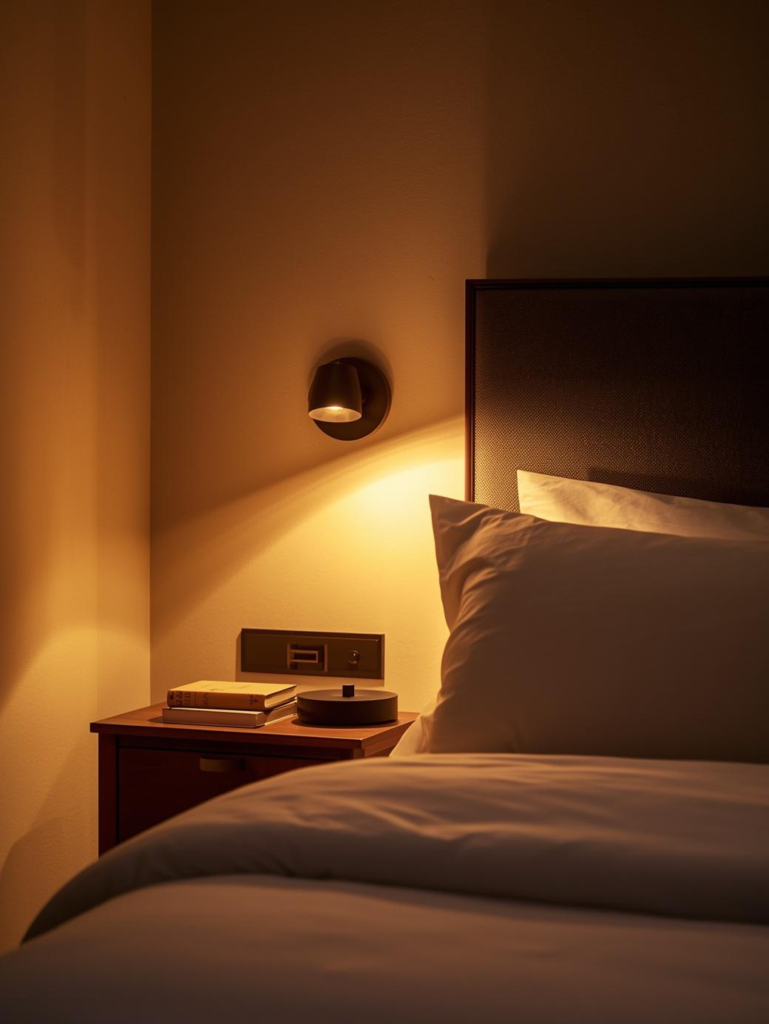
Lighting is one of the most overlooked elements of a guest bedroom and one of the most impactful on the quality of the experience. A room that relies entirely on a single overhead ceiling light forces guests to choose between lying in darkness or lying in the full glare of a central fixture, neither of which is conducive to comfortable reading, relaxing, or winding down before sleep. A dedicated bedside lamp that provides warm, directional light at the right height for reading in bed is one of the most considerate provisions a guest room can offer, and it costs relatively little to get right.
The ideal bedside light for a guest room is one that can be switched on and off from the bed without requiring the guest to get up, which means either a lamp with a switch on the base at a reachable position, a touch-activated lamp, or a smart bulb controllable by voice or phone. Warm bulbs rated at 2700K produce the most restful and flattering quality of bedside light, avoiding the harsh, clinical quality of cooler white bulbs that makes it difficult to relax. If the room has only one bedside table, a wall-mounted sconce on the same side provides an elegant fixed alternative that frees the nightstand surface for other essentials.
Idea 05
Clear Wardrobe and Drawer Space
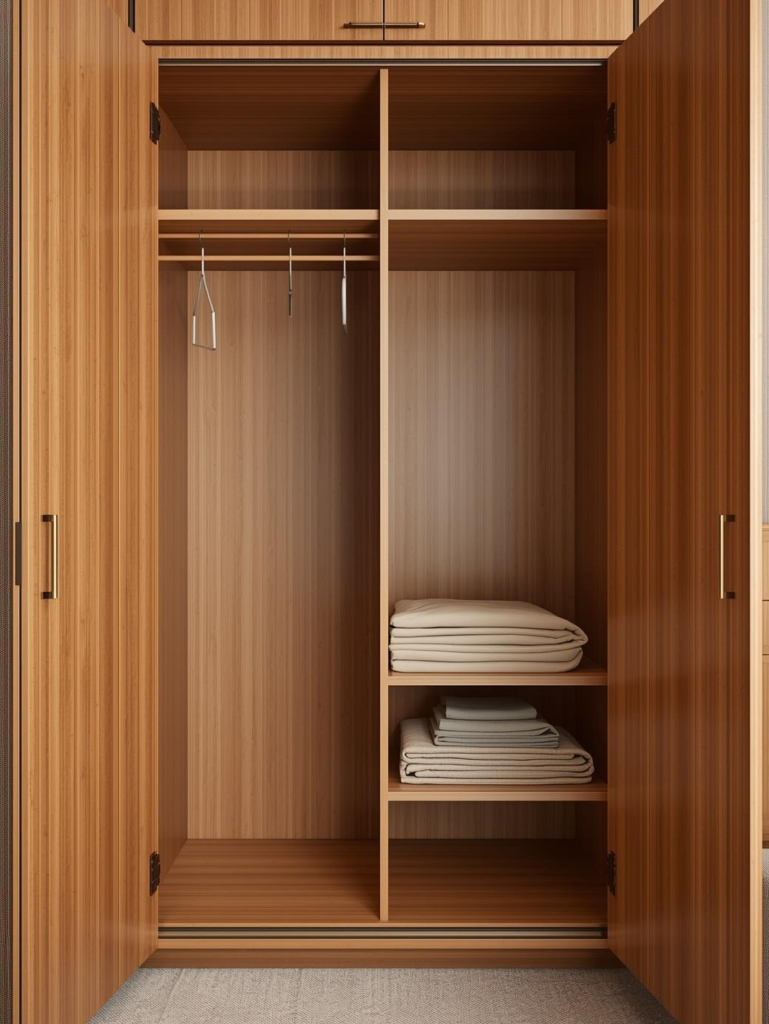
One of the most common failures of otherwise well-intentioned guest bedrooms is a wardrobe and chest of drawers so full of the host’s stored belongings that the guest has nowhere to unpack their own clothes. A guest staying for more than one night who cannot hang their clothes or open a drawer without encountering the host’s off-season wardrobe or stored paperwork will feel like a visitor in someone else’s space rather than a welcome occupant of a room prepared for them. Clearing genuine, usable storage space in the guest bedroom is one of the most meaningful practical gifts the room can offer.
A cleared wardrobe rail with a good supply of matching hangers, at least two empty drawers in a chest, and a cleared shelf for personal items allows a guest to properly unpack and settle into the room in a way that makes even a short stay feel genuinely comfortable and considered. Adding a few extra hangers in a style that matches those already on the rail, a small drawer liner with a light scent in the empty drawers, and a spare laundry bag hanging on the back of the door are the kinds of details that transform a cleared wardrobe from merely practical to genuinely thoughtful. Guests notice these provisions even when they do not mention them.
Idea 06
Include a Full-Length Mirror
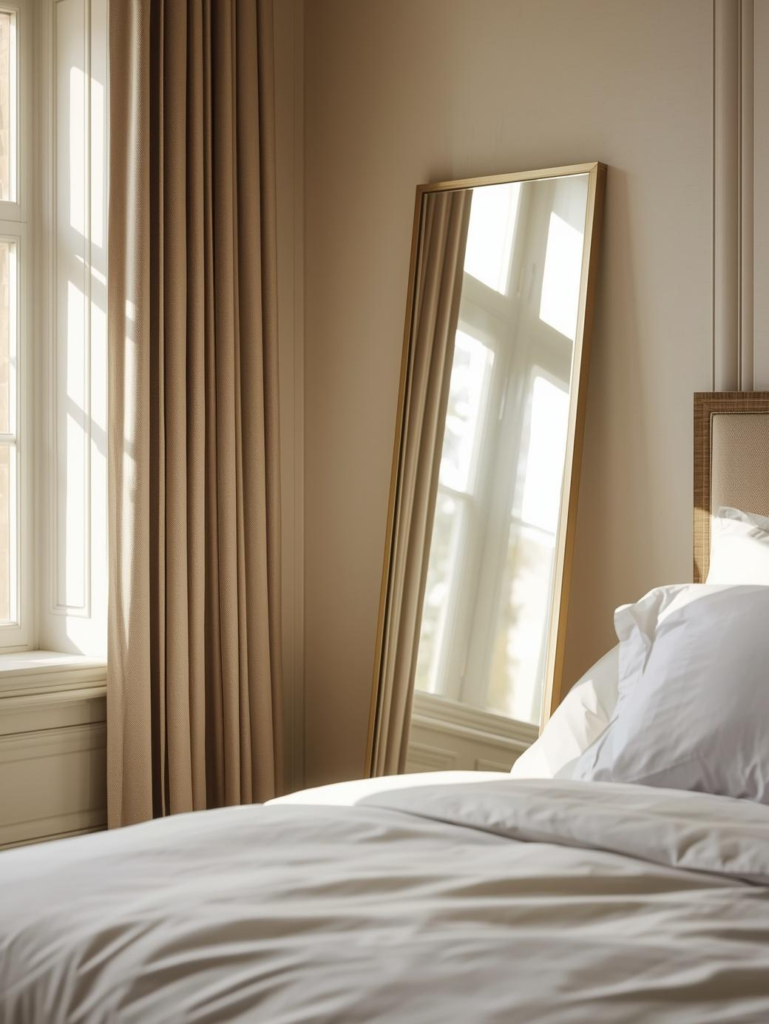
A full-length mirror is one of the most practical provisions a guest bedroom can offer and one of the most consistently overlooked. A guest who needs to check their appearance before leaving for a dinner, a wedding, or any social occasion and has no full-length mirror in their room must either use a small bathroom mirror inadequately or ask the host for access to one elsewhere in the house. Neither situation is ideal, and the absence of a mirror in a guest room communicates, however unintentionally, that the room has not been fully thought through from the perspective of the person staying in it.
A leaning full-length mirror is the simplest and most flexible option because it requires no wall fixings and can be positioned wherever the light is most flattering, typically near a window where natural daylight provides the most accurate and useful reflection. A slim frame in natural wood, matte black, or aged brass adds a decorative quality to the mirror that makes it a design feature of the room rather than simply a functional afterthought. The additional benefit of a large mirror in a guest room is that it reflects light and makes the space feel larger and more generous than its actual dimensions, which is a welcome quality in rooms that tend toward the smaller end of the house’s floor plan.
Idea 07
Create a Welcome Basket of Essentials
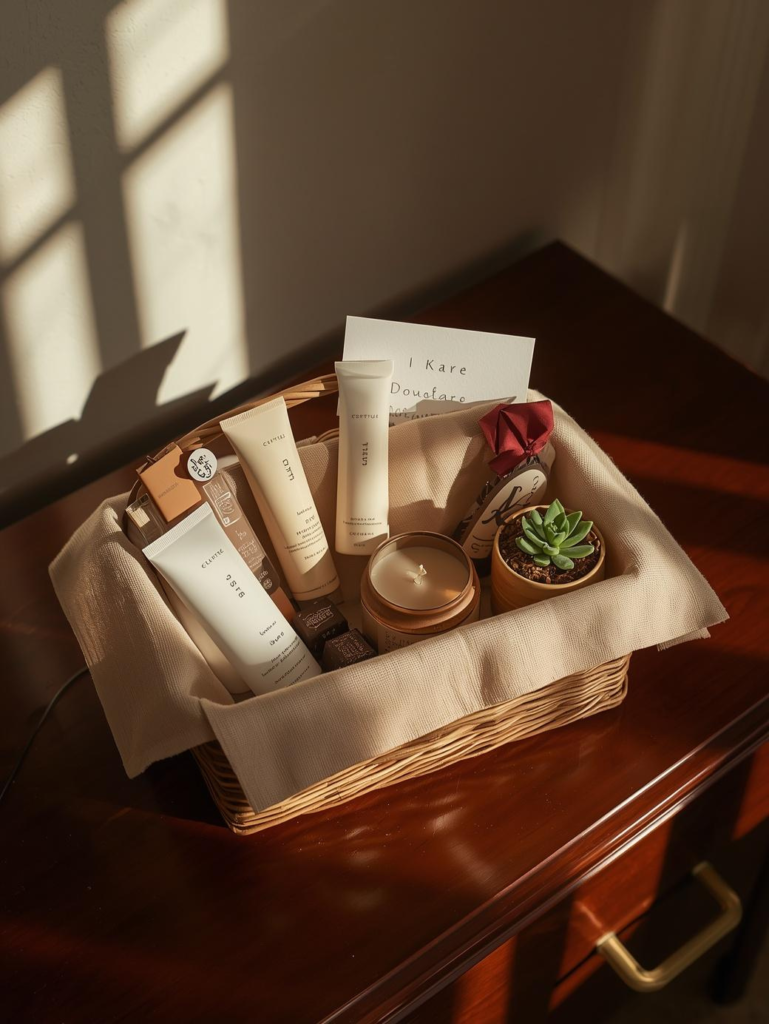
A welcome basket placed in the guest bedroom is one of the most universally appreciated hospitality gestures available because it communicates genuine forethought in the most tangible possible way. A small woven basket or tray containing travel-sized toiletries such as shampoo, conditioner, body wash, a toothbrush, and toothpaste ensures that guests who have forgotten something essential do not have to ask or go without. Adding a few thoughtful extras such as a small candle, a chocolate or two, a sleep mask, and a handwritten welcome note transforms the basket from a practical provision into a genuinely warm and personal welcome that no guest forgets.
The contents of the welcome basket can be adjusted based on knowledge of the specific guest, which is what elevates this gesture from a generic hospitality convention to a genuinely personal act of care. A guest who drinks herbal tea before bed will appreciate a small selection of tea bags and a note about where the kettle is. A guest traveling with a baby will value a small bottle of baby lotion or a spare set of wipes. A guest with a long journey behind them will appreciate a small snack and a note that dinner is at a flexible time. The welcome basket is the guest bedroom equivalent of a handwritten letter: it says, clearly and warmly, that the host has been thinking about this specific person.
Idea 08
Provide Extra Pillows and Blankets
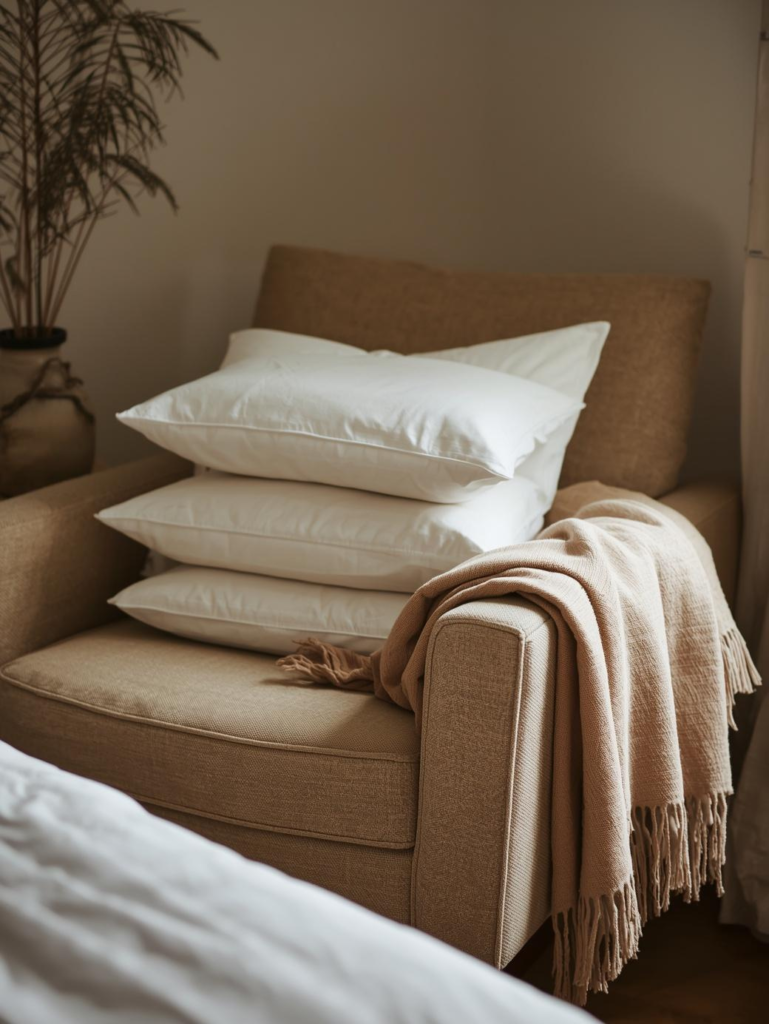
Pillow and blanket preferences vary enormously between individuals, and a guest who prefers to sleep with three pillows but finds only one on the bed, or who runs cold at night but cannot find an extra blanket without waking the host, will have a less comfortable experience than the room’s quality otherwise deserves. Providing a visible supply of extra pillows and a spare blanket, either on a chair in the room, on an accessible shelf in the wardrobe, or neatly folded at the foot of the bed, gives guests the autonomy to adjust their sleeping environment without having to ask for anything.
The extra pillows and blankets also serve a decorative function when styled thoughtfully. A stack of two or three pillows in coordinating pillowcases placed on a bedroom chair looks deliberate and welcoming rather than like overflow storage, while a neatly folded throw in a warm natural fiber draped over the chair arm adds a layer of texture and warmth to the room. Labeling or tagging extra items with a small handwritten note, such as “extra blanket if you need it,” removes any ambiguity and ensures that guests feel entirely comfortable helping themselves without hesitation, which is the spirit of genuine hospitality.
Idea 09
Add a Scent to the Room
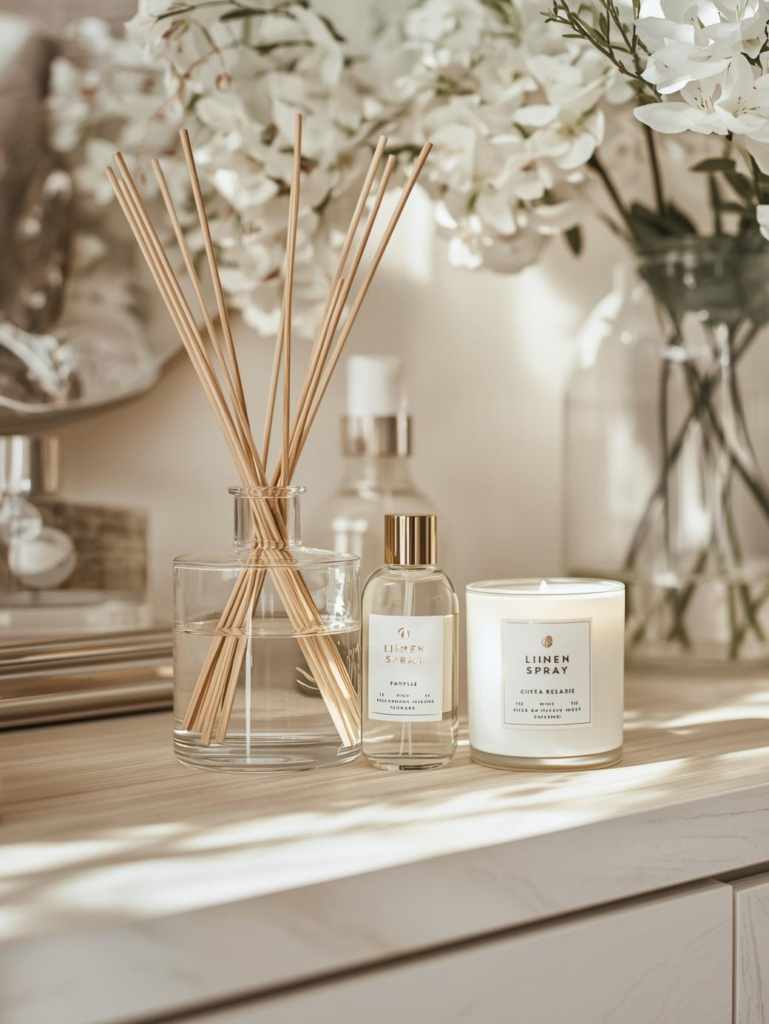
Scent is one of the most powerful and most underused tools in creating a memorable guest bedroom experience because it engages a sense that most interior design decisions entirely ignore. A room that smells clean, fresh, and subtly pleasant creates an immediate and positive emotional response that influences how the guest perceives everything else about the space, while a room that smells stale, musty, or like stored linens creates an equally immediate negative impression regardless of how beautifully it is decorated. Introducing a gentle, welcoming scent to the guest bedroom is one of the most impactful small changes available for an extremely modest investment.
A reed diffuser in a calming fragrance such as lavender, sandalwood, clean cotton, or light eucalyptus is the most practical choice for a guest room because it provides continuous, subtle scent without requiring any maintenance during the guest’s stay. A linen spray applied to the bedding and pillowcases immediately before the guest’s arrival adds a fresh, hotel-like quality to the bed that contributes significantly to the first impression of the room. The key with scent in a guest bedroom is subtlety: a fragrance that is noticeable when entering the room but fades quickly into the background is ideal, as a strong or persistent scent can become overwhelming for guests who are sensitive to fragrance.
Idea 10
Ensure Reliable WiFi and Charging
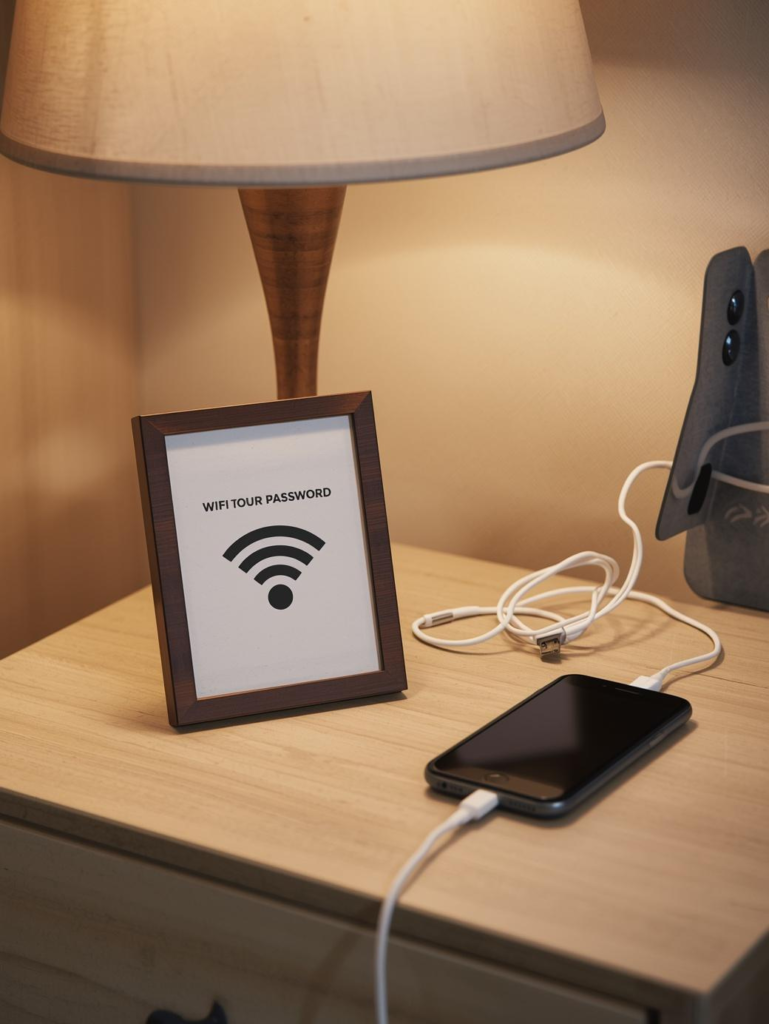
Reliable WiFi access and convenient charging points are no longer optional extras in a guest bedroom but fundamental requirements of modern hospitality. A guest who cannot connect to the internet or whose devices run out of charge during their stay will experience a friction and frustration that overshadows even the most beautifully appointed room. Providing the WiFi network name and password on a small framed card or a handwritten note on the bedside table removes the awkwardness of having to ask, and ensuring the signal is strong enough in the guest room to actually be useful is equally important and worth checking before guests arrive.
A multi-port USB charging station on the bedside table, or a power strip with USB ports placed discreetly near the bed, allows guests to charge multiple devices simultaneously without unpacking their own adapters or searching for available wall outlets. Including a selection of cable types, micro USB, USB-C, and lightning, in a small tray on the nightstand ensures that guests with different devices are all catered for without needing to bring their own. These are small, inexpensive provisions that communicate an understanding of how people actually live and travel today, and they consistently rank among the most appreciated practical details in any guest room.
Idea 11
Add a Small Seating Area
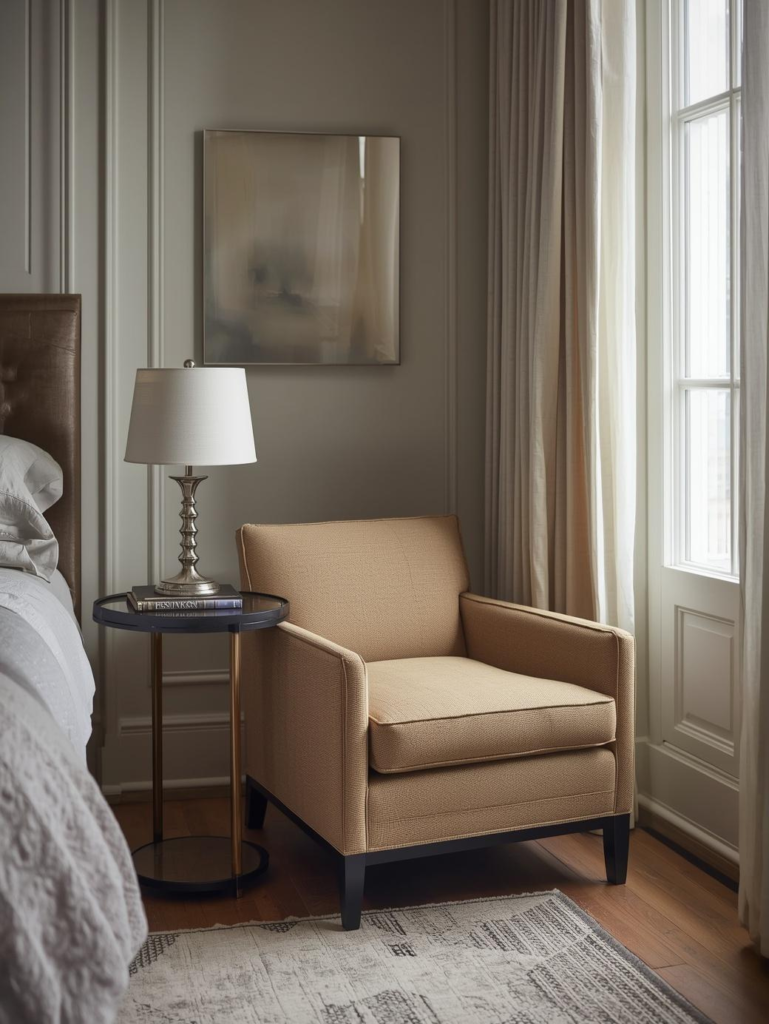
A small seating area within the guest bedroom gives the room a completeness and generosity that a bed-only arrangement cannot provide. A chair or small sofa in the room offers guests a place to sit that is not the bed, which matters both practically and psychologically. It allows guests to read, put on shoes, video call family, or simply sit quietly without feeling confined to the sleeping surface for every waking moment spent in the room. This sense of having a room rather than simply a bed to sleep in makes the guest experience significantly more comfortable and more private, particularly for guests staying more than one night.
A single upholstered armchair in a warm fabric with a small round side table beside it is the most space-efficient seating configuration for a guest bedroom and the one that delivers the greatest comfort relative to its footprint. Placing the chair near a window where natural light falls creates a reading nook quality that makes the corner of the room feel genuinely purposeful. A small lamp on the side table ensures the seating area is also usable in the evening. For very small guest rooms where a chair is genuinely not possible, a cushioned window seat or a bench at the foot of the bed serves a similar function and takes up considerably less floor space.
Idea 12
Use Calming Neutral Wall Tones
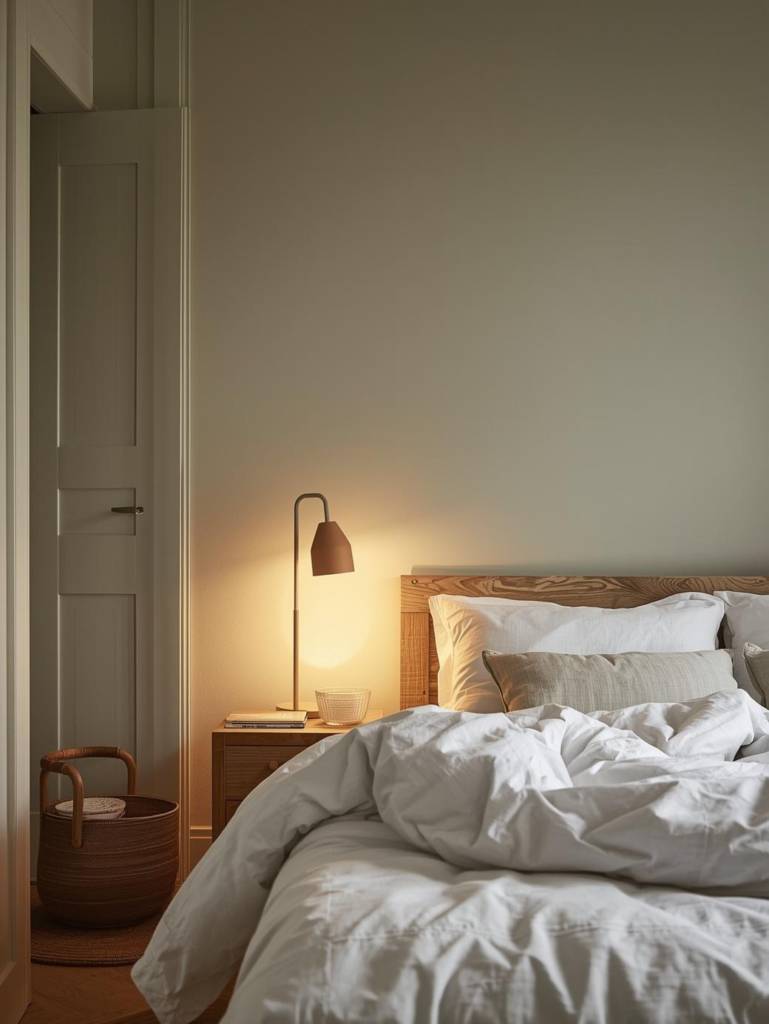
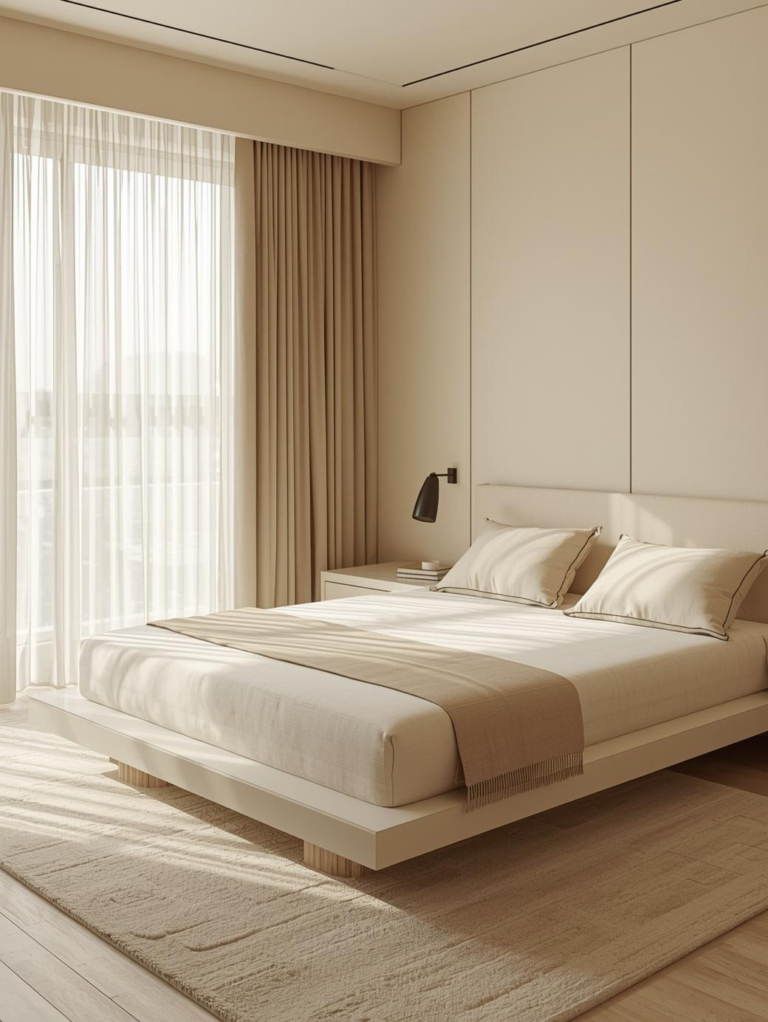
The wall color of a guest bedroom sets the emotional tone of the entire room before a single piece of furniture or accessory is noticed, and calm, warm neutrals consistently outperform bold or bright colors in creating the restful, welcoming atmosphere that a guest bedroom requires. Shades of warm white, soft greige, gentle sage green, pale clay, and muted stone all share a quality of visual quiet that makes the room feel like a genuine retreat from the stimulation of daily life. These tones also reflect light generously and work harmoniously with almost any bedding, furniture, and accessory combination, making them the most forgiving and reliable choice for a guest room that will be seen and used by a variety of different people.
The specific undertone of the neutral chosen matters significantly in determining how the room feels. Warm neutrals with yellow or pink undertones create a sense of coziness and intimacy that is particularly welcome in rooms used primarily in the evening and at night. Cool neutrals with grey or blue undertones feel fresher and more serene, which can be valuable in rooms that receive strong afternoon sun and might otherwise feel too warm. Testing paint samples on the actual walls of the guest room in both natural and artificial light before committing to a full paint job is always the most reliable way to predict how a color will perform in the specific conditions of that particular space.
Idea 13
Add Fresh Flowers or Greenery
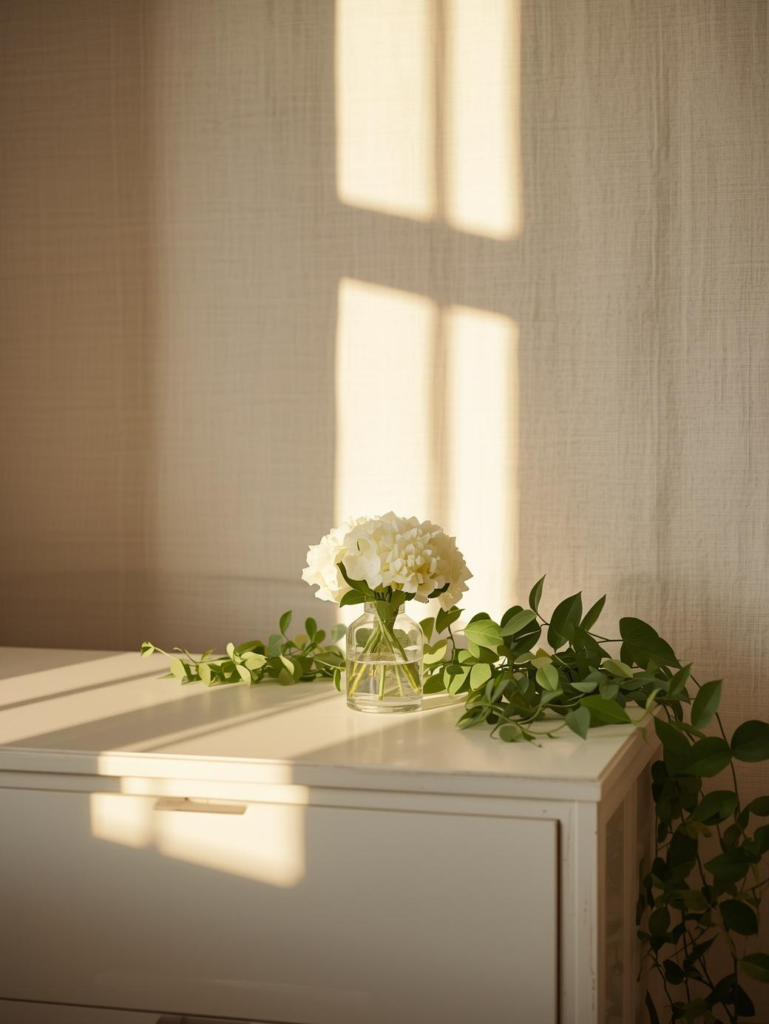
Fresh flowers or a living plant placed in the guest bedroom on the day of arrival is one of the most immediate and universally appreciated signals of welcome that any host can offer. A small vase of garden flowers, a simple stem of eucalyptus, or a few sprigs of whatever is in season communicates that the room has been freshly prepared specifically for this guest rather than simply made available. The presence of something living and growing in the room adds warmth, color, and a quality of natural beauty that no artificial decoration can replicate, and the gentle fragrance of fresh flowers adds to the olfactory welcome of the space.
For guests staying longer than a weekend, a small potted plant is a more practical alternative to cut flowers because it requires no replacement during the stay and continues to add life and freshness to the room throughout the visit. A trailing pothos, a small succulent, or a compact peace lily are all low-maintenance options that survive in a range of light conditions and require minimal water, making them suitable for guest rooms that may not receive regular attention between visits. Placing the plant on the nightstand, the dresser, or the windowsill where it receives appropriate light ensures it thrives and continues to contribute to the welcoming atmosphere of the room for as long as the guest is present.
Idea 14
Provide Good Window Coverings
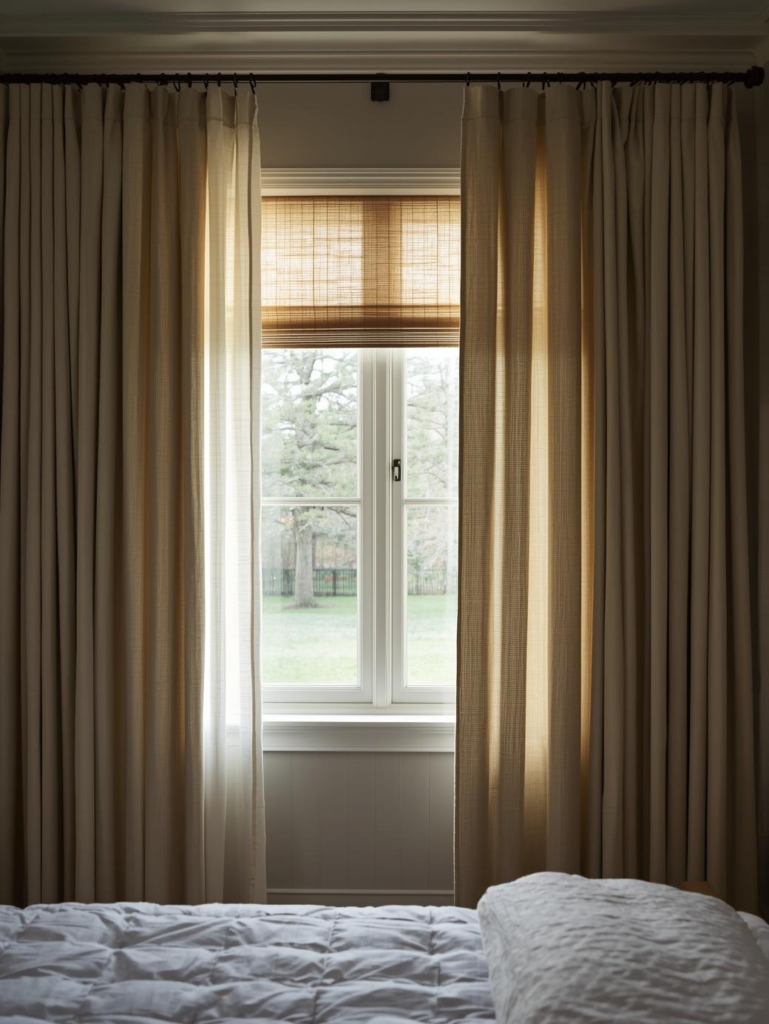
Window coverings in a guest bedroom serve a more critical function than in almost any other room in the house because they directly determine whether a guest can sleep past dawn, maintain privacy while dressing, or control the temperature of the room throughout the day. A guest bedroom with inadequate window coverings, whether a thin blind that leaks morning light at its edges or sheer curtains that provide no privacy from a neighboring building or street, will undermine the comfort of the sleeping experience regardless of how good the mattress or bedding is. Good window coverings are therefore one of the most functional investments available in the guest bedroom.
The most versatile and guest-friendly window treatment is a layered system combining a blackout blind or lining with a decorative curtain panel that can be used independently during the day. The blackout layer ensures that early morning light does not wake guests who need to sleep in, which is particularly important in rooms facing east or in summer months when dawn arrives early. The decorative curtain adds softness, warmth, and an element of style that a bare blackout blind alone cannot provide. Linen curtains in a warm neutral tone hung high and wide on the window frame create an elegant treatment that works in both natural and artificial light and contributes to the overall quality of the room’s atmosphere throughout the day and night.
Idea 15
Add Personal and Thoughtful Touches
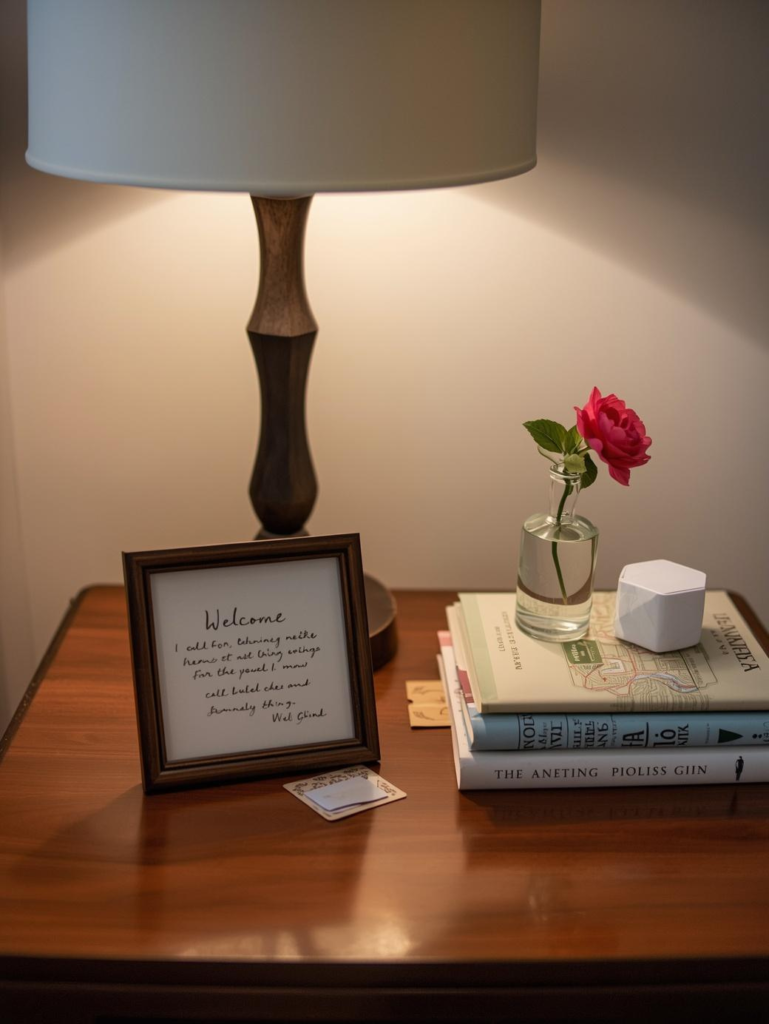
The details that transform a well-equipped guest bedroom into a truly memorable one are almost always the personal ones, the small provisions and gestures that could only have been chosen with a specific guest in mind. A curated selection of books on the nightstand chosen based on the guest’s known interests, a local restaurant guide or map of nearby attractions for a guest visiting from out of town, a playlist shared via a small handwritten note, or a favourite snack of theirs left on the pillow are all gestures that cost almost nothing in money or time but communicate a level of care and attentiveness that generic hospitality cannot replicate.
A handwritten welcome note is perhaps the single most powerful personal touch available in a guest bedroom, and it requires only a few minutes and a piece of notepaper to execute. A brief message welcoming the guest, letting them know where everything is, noting the WiFi password, and expressing genuine pleasure at having them to stay creates a warmth that no amount of beautiful decor can substitute for. The guest bedroom, at its finest, is not simply a well-furnished room but an expression of how much the host values the relationship with the person staying in it. That quality of personal care is ultimately the secret to a perfect guest bedroom, and it costs nothing at all to provide.
Final Thoughts
Hospitality Is a Form of Design
The fifteen ideas in this guide cover every dimension of the guest bedroom experience, from the foundational comfort of the mattress and bedding to the personal warmth of a handwritten welcome note and a vase of fresh flowers. What they share is a common understanding that a truly great guest bedroom is designed from the inside out, starting with the experience of the person who will sleep in it and working outward through every decision about furniture, lighting, scent, storage, and detail. The rooms that guests remember and talk about are never simply the most expensively decorated ones. They are the ones that made the guest feel seen, considered, and genuinely welcome.
Not every idea on this list needs to be implemented simultaneously or at significant cost. A cleared wardrobe rail, a blackout blind, a welcome basket of essentials, and a handwritten note can transform an ordinary spare room into a guest bedroom that makes a lasting impression without any structural changes or major purchases. The cumulative effect of many small, thoughtful decisions is always greater than the sum of its parts, and a guest bedroom that has been carefully considered in each of the fifteen areas covered here will consistently outperform a more expensively furnished room that has been designed for appearance rather than experience.
Begin with the ideas that address the most immediate gaps in your current guest room, whether that is the quality of the mattress, the adequacy of the window coverings, or the absence of a bedside lamp, and build from there at whatever pace your budget and time allow. The investment in a guest bedroom that truly works is an investment in every relationship that brings someone to your door, and that return has a value that no amount of decorating budget can fully quantify. The secret to a perfect guest bedroom is simply this: design it for the guest, not for the photographs.