Green Glass Tile Backsplash Kitchen | Budget-Friendly Home Renovation
Introduction
The kitchen is the heart of every home, and nothing transforms it quite like a stunning backsplash. Green glass tile has emerged as one of the most sought-after design choices for homeowners who want to combine elegance with affordability. Whether you are drawn to the deep richness of emerald, the calming softness of sage, or the refreshing clarity of mint, green glass tile offers a versatile palette that suits nearly every kitchen style. This guide walks you through everything you need to know about achieving a beautiful, budget-friendly green glass tile backsplash that will stop every Pinterest scroller in their tracks.
1. Why Green Glass Tile is the Ultimate Budget-Friendly Backsplash Choice
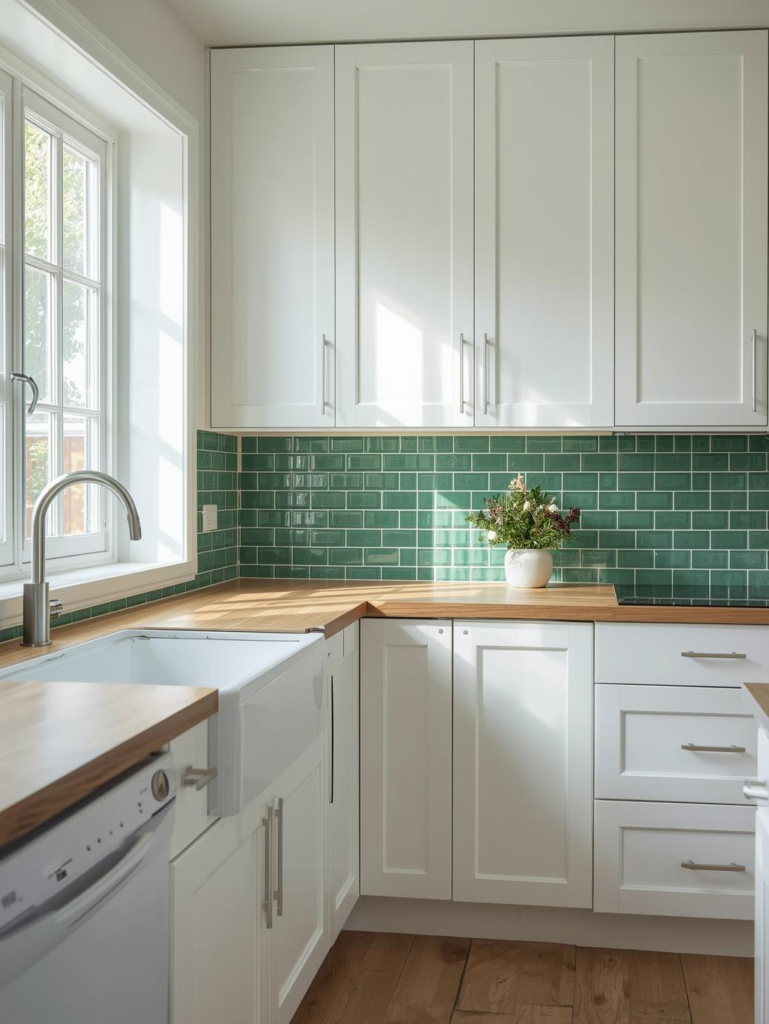
Green glass tile sits at a sweet spot between affordability and visual impact. Unlike natural stone, which requires sealing and professional installation, glass tile is relatively low-maintenance and available at a wide range of price points. You can find quality options at home improvement stores for as little as a few dollars per square foot, making it accessible even for tight renovation budgets. The reflective surface of glass also bounces light around the room, making even the smallest kitchen feel brighter and more spacious without any additional investment.
Beyond the price tag, green glass tile offers a timeless quality that keeps it from feeling trendy one year and dated the next. Its color connects visually to nature, which gives kitchens an organic warmth that painted walls simply cannot replicate. When paired thoughtfully with cabinet colors and countertop materials, green glass tile creates a layered, curated look that appears far more expensive than it actually is. Homeowners consistently report that this single upgrade delivers one of the highest visual returns of any kitchen renovation project.
2. Choosing the Right Shade of Green for Your Kitchen
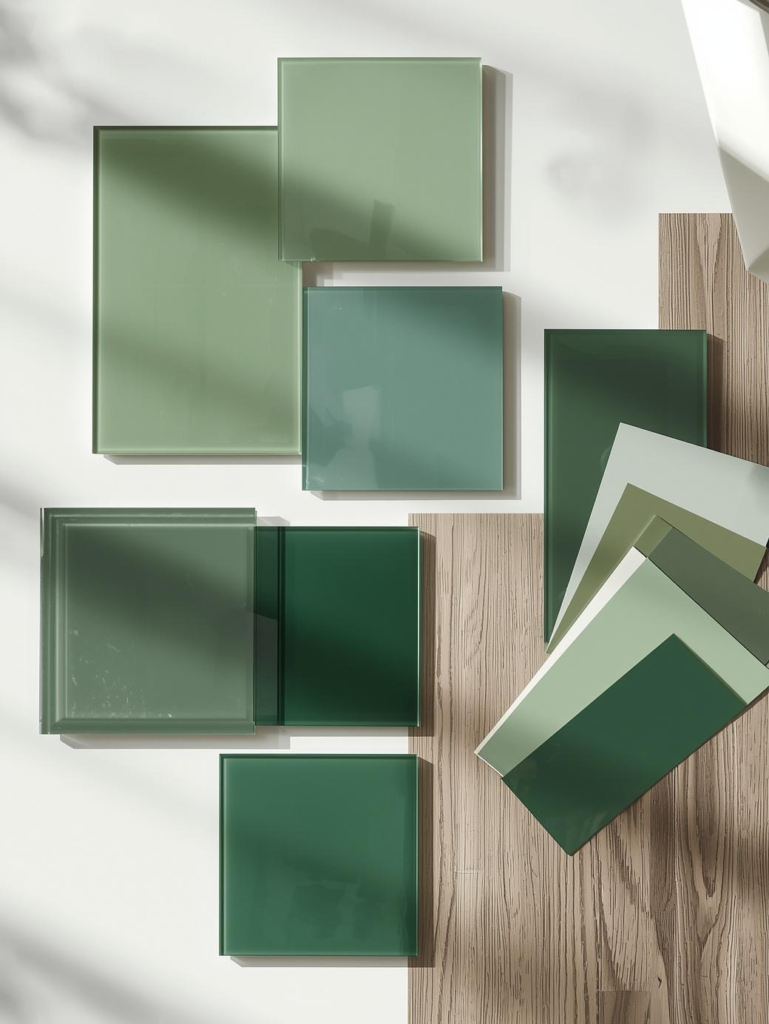
Selecting the right shade of green is the most important decision in your backsplash project, and it starts with understanding your kitchen’s existing color story. Sage green works beautifully in farmhouse and transitional kitchens, where it pairs naturally with cream or off-white cabinetry and warm brass hardware. Mint green suits contemporary and coastal kitchen styles, adding a fresh, airy quality that feels clean and modern. Emerald and forest green make bold statements in more dramatic spaces, especially when contrasted with white or light grey countertops.
Consider the amount of natural light your kitchen receives before finalizing a shade. Darker greens like hunter or bottle green can feel rich and luxurious in well-lit spaces but may make a dim kitchen feel smaller and heavier. Lighter shades such as celadon or seafoam are forgiving in lower-light environments and still deliver a strong color presence. Always request tile samples and hold them against your cabinets and countertops at different times of the day before committing to a full order, as glass tiles shift noticeably in tone depending on lighting conditions.
3. Popular Green Glass Tile Patterns and Layouts
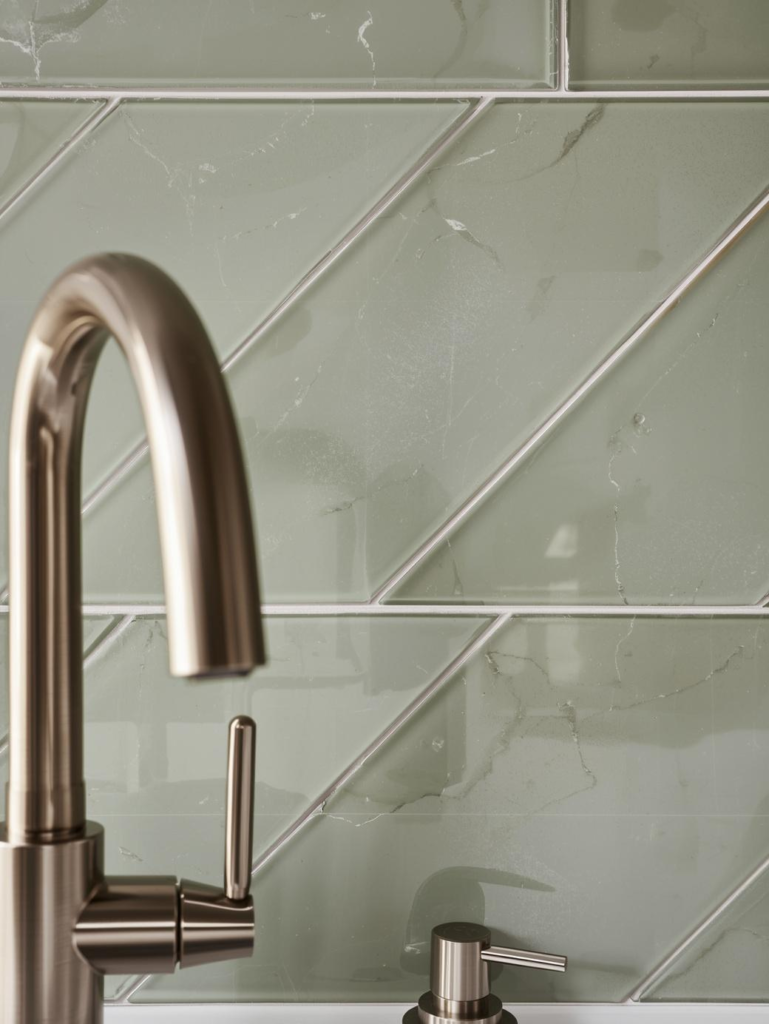
The layout pattern you choose dramatically changes the personality of your backsplash, even when using the exact same tile. The classic straight stack, where tiles are laid in clean horizontal rows, delivers a sleek and modern look that suits minimalist and Scandinavian-inspired kitchens. Subway tile in a traditional brick offset pattern is the most universally popular choice and works in virtually every kitchen style from rustic farmhouse to modern industrial. Both layouts are also beginner-friendly for DIY installation, keeping your labor costs minimal.
For homeowners who want more visual drama, the herringbone pattern creates a dynamic zigzag effect that draws the eye across the wall and adds architectural interest. Vertical stack arrangements make low ceilings appear taller and give the kitchen a contemporary edge. Diagonal diamond layouts add a touch of vintage charm and work particularly well with smaller mosaic-sized tiles. Mixing different shades of green within a single pattern, for example pairing sage and mint in a herringbone layout, is a trending approach that adds depth and a custom, designer-quality feel to the space.
4. DIY Installation Tips to Save Money
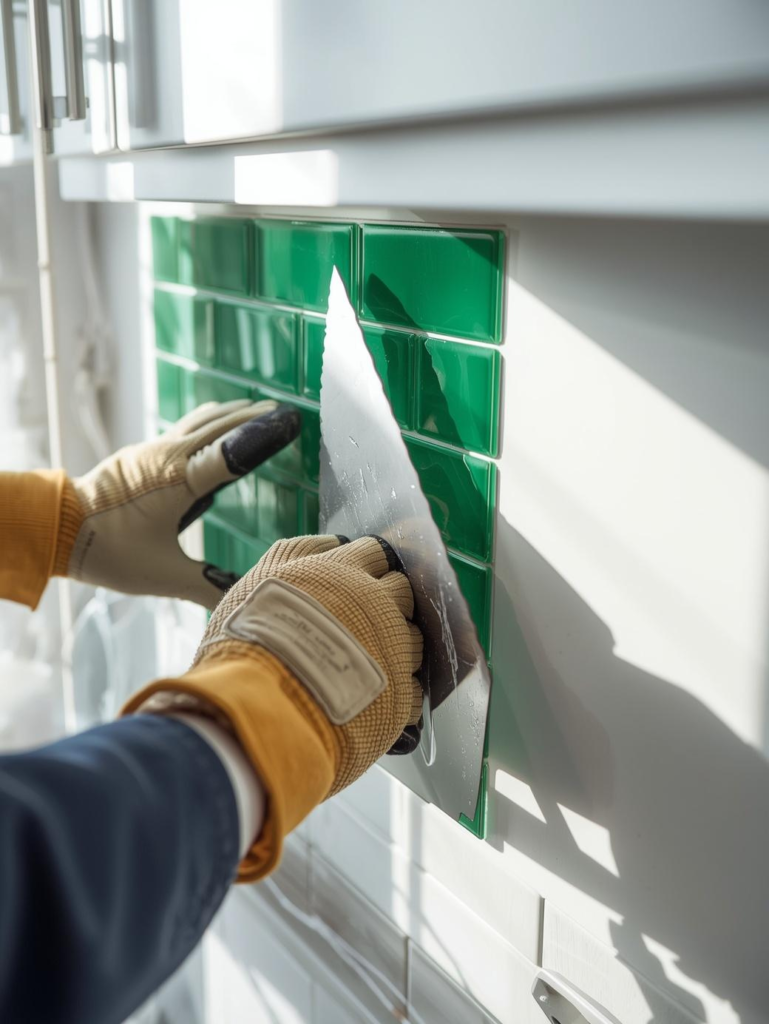
Installing a glass tile backsplash yourself is one of the most effective ways to keep your renovation budget under control. The most important preparation step is cleaning and priming your wall surface thoroughly, as glass tile adhesive requires a smooth, debris-free base to bond correctly. Use a white thinset mortar specifically formulated for glass tiles, as standard grey thinset can show through the translucent surface and dull the tile’s color. Renting a wet saw with a diamond blade for clean cuts around outlets and edges is well worth the small additional cost.
Layout planning before you apply a single tile prevents costly mistakes and wasted material. Start by finding the center point of your backsplash wall and work outward in both directions, dry-laying tiles on a flat surface first to map your pattern. This ensures symmetrical cuts on both ends and a polished, intentional result. Leave consistent grout joints using plastic spacers and allow the thinset to cure fully, typically twenty-four hours, before grouting. Sanded grout is not recommended for glass tile as it can scratch the surface; always choose unsanded or epoxy grout for a flawless finish.
5. Best Grout Colors to Pair with Green Glass Tile
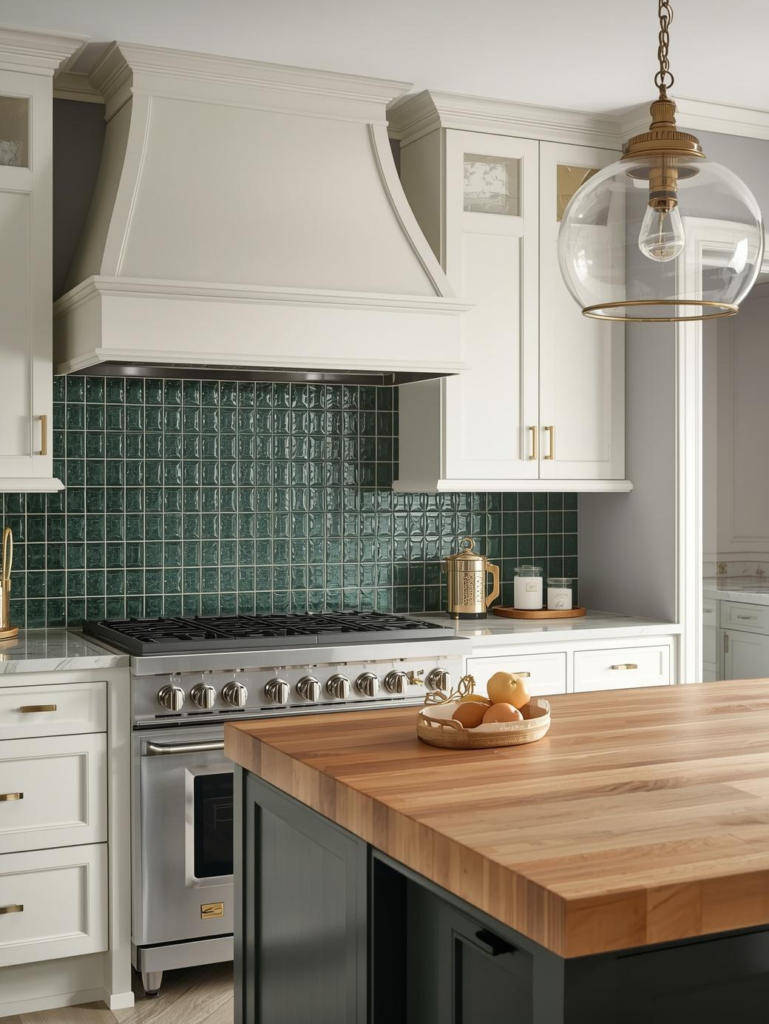
Grout color is a detail that many homeowners overlook, yet it has an outsized effect on the final appearance of your backsplash. White grout paired with green glass tile creates a crisp, clean aesthetic that highlights each tile individually and makes the green color pop with full intensity. This combination works especially well in light-filled, modern kitchens where a fresh and airy atmosphere is the goal. White grout also has the practical advantage of making the tile pattern highly legible, which is particularly effective with geometric layouts like herringbone or chevron.
For a more seamless and sophisticated look, matching your grout color closely to the tile creates a tone-on-tone effect where the surface appears almost monolithic. A sage green grout with sage green tile, for instance, produces a soft, textural wall that feels calm and cohesive. Charcoal and dark grey grout against lighter green tiles delivers bold contrast and a distinctly modern edge, making the individual tile shapes stand out dramatically. Before finalizing your grout color, test a small sample section in your actual kitchen and photograph it in both artificial and natural light to ensure you are happy with the result.
6. Pairing Green Glass Tile with Cabinet and Countertop Colors
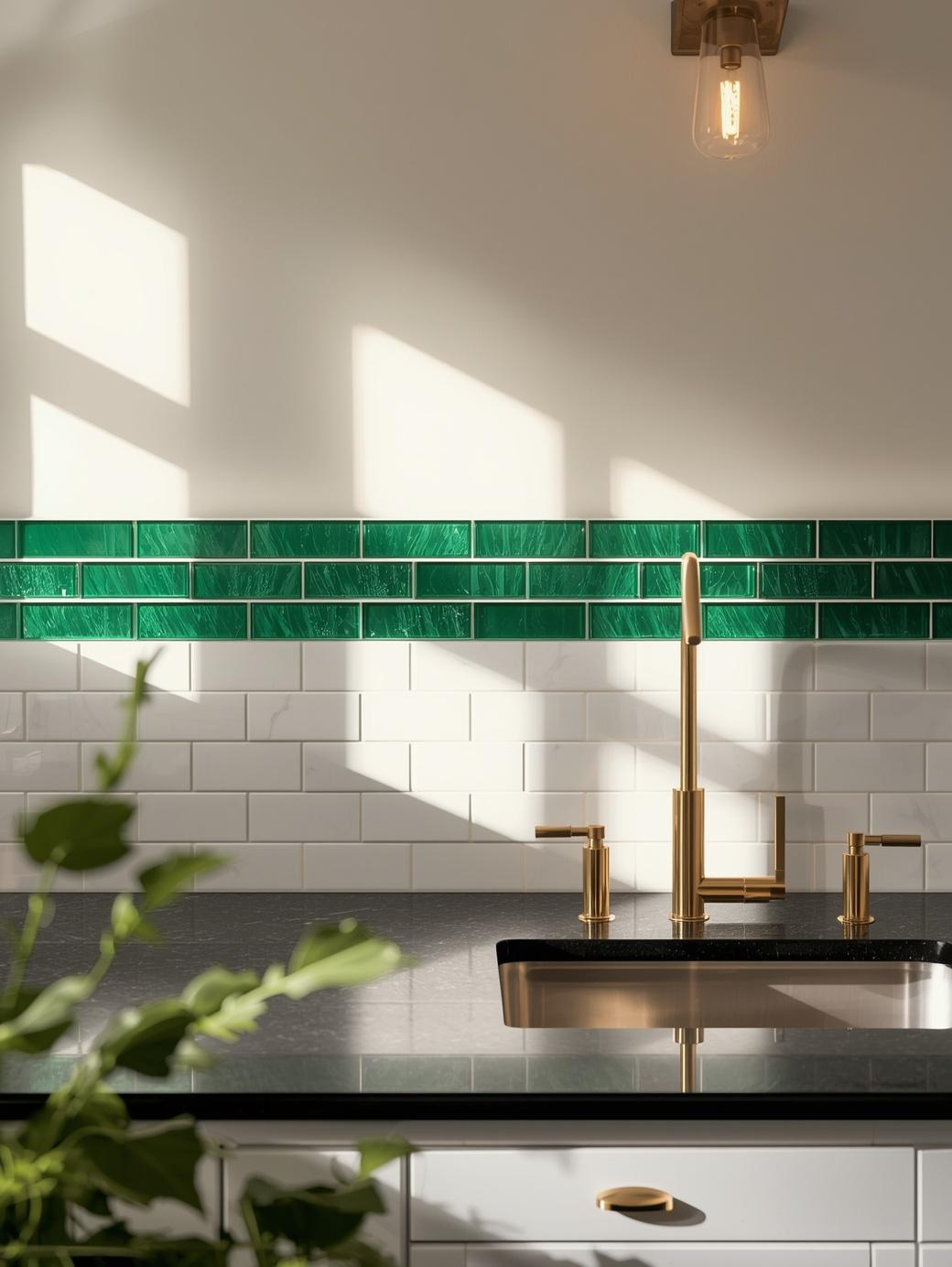
The beauty of green glass tile is its versatility in working alongside a wide range of cabinet and countertop combinations. White or off-white cabinets are the most popular pairing because they allow the green backsplash to take center stage without visual competition. This combination suits farmhouse, transitional, and contemporary kitchen styles equally well. Adding warm-toned hardware in brass or unlacquered gold bridges the gap between the cool green tile and the neutral cabinetry, creating a balanced and layered design that feels intentional and curated.
Wood tones are another exceptional partner for green glass tile, as the natural warmth of oak, walnut, or butcher block countertops complements the organic color story that green inherently tells. Navy and dark blue cabinetry paired with emerald or forest green backsplash tile creates a rich jewel-tone kitchen that feels both bold and sophisticated. Even black cabinetry can work brilliantly with lighter mint or sage green tile, producing a high-contrast, editorial look that photographs beautifully for Pinterest boards. The key principle is to ensure that at least one element in the kitchen, whether the countertop, flooring, or hardware, acts as a neutral anchor to prevent the palette from feeling overwhelming.
7. Budget Breakdown: What to Expect When Spending
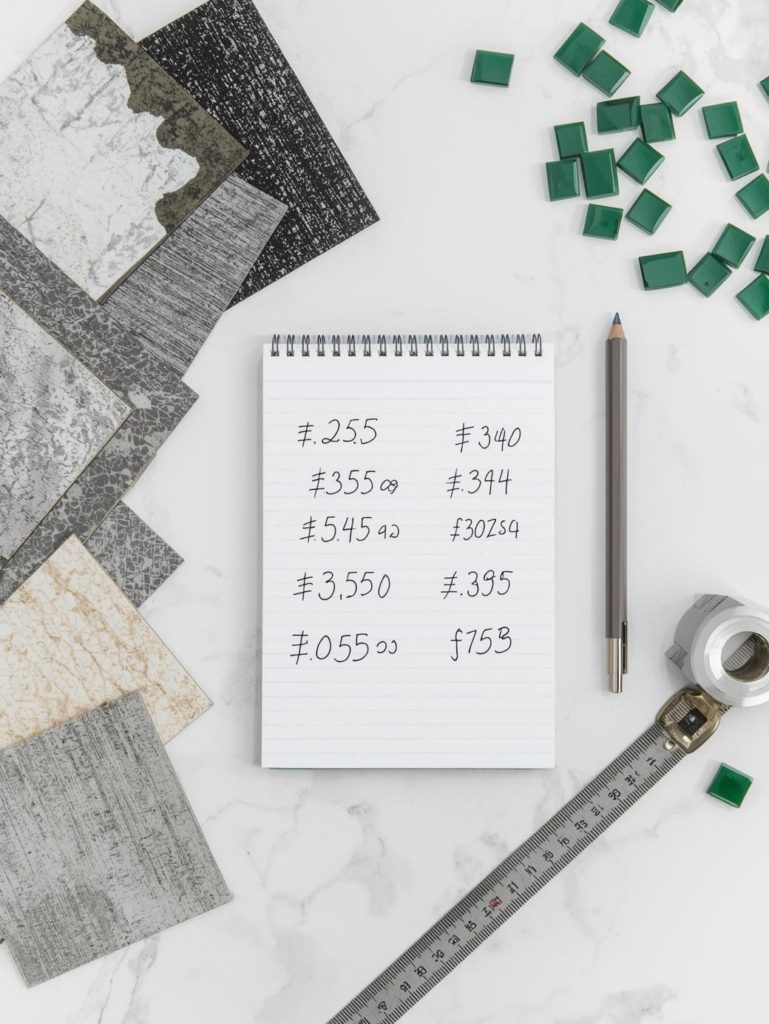
Understanding where your money goes in a backsplash project helps you make smarter decisions and avoid unexpected overspending. The tile itself typically represents the largest portion of the budget, but green glass tiles are available across a broad price spectrum. Entry-level options from major home improvement retailers can cost between three and seven dollars per square foot, while designer or artisan glass tiles from specialty suppliers can reach thirty dollars or more per square foot. For an average kitchen backsplash of around fifteen to twenty square feet, a budget-conscious homeowner can complete the project with materials alone for under two hundred dollars.
Additional costs to factor in include thinset adhesive, grout, tile spacers, a notched trowel, and potentially a wet tile saw rental. These supplies typically add between forty and eighty dollars to the total project cost depending on the tools you already own. If you choose to hire a professional tile installer rather than DIY, labor costs typically range from five to twelve dollars per square foot depending on your region and the complexity of the pattern. Combining a mid-range tile with professional installation can bring the total project to between three hundred and six hundred dollars, still a fraction of a full kitchen remodel and one of the most impactful upgrades per dollar spent.
8. Maintenance and Cleaning Tips for Green Glass Tile
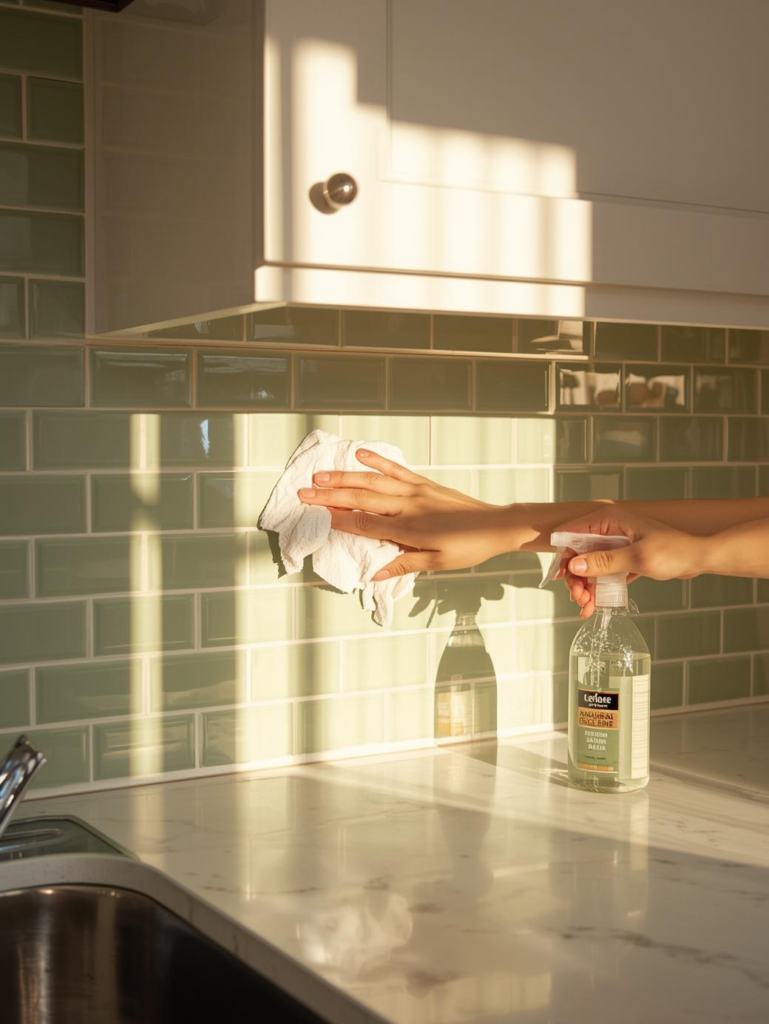
One of the most practical advantages of glass tile over other backsplash materials is how effortlessly it cleans. Unlike porous natural stone or unsealed ceramic, glass has a non-porous surface that resists the absorption of grease, moisture, and bacteria. A simple wipe-down with a soft microfiber cloth and warm soapy water removes the vast majority of kitchen splatter and cooking residue. For tougher grease buildup around the stove area, a diluted white vinegar solution applied with a soft cloth cuts through residue without damaging the glass surface or dulling its reflective finish.
Grout lines require slightly more attention than the tiles themselves and benefit from a penetrating grout sealer applied once per year to prevent discoloration. Avoid using abrasive scrubbing pads or harsh chemical cleaners on glass tile, as these can leave fine scratches that cloud the surface over time and diminish the tile’s signature luminosity. A squeegee used lightly after cooking near the backsplash area keeps the surface streak-free and reduces the frequency of deeper cleaning sessions. With minimal routine care, a green glass tile backsplash maintains its original vibrancy and brightness for ten to twenty years or more.
9. Green Glass Tile Backsplash for Small Kitchens
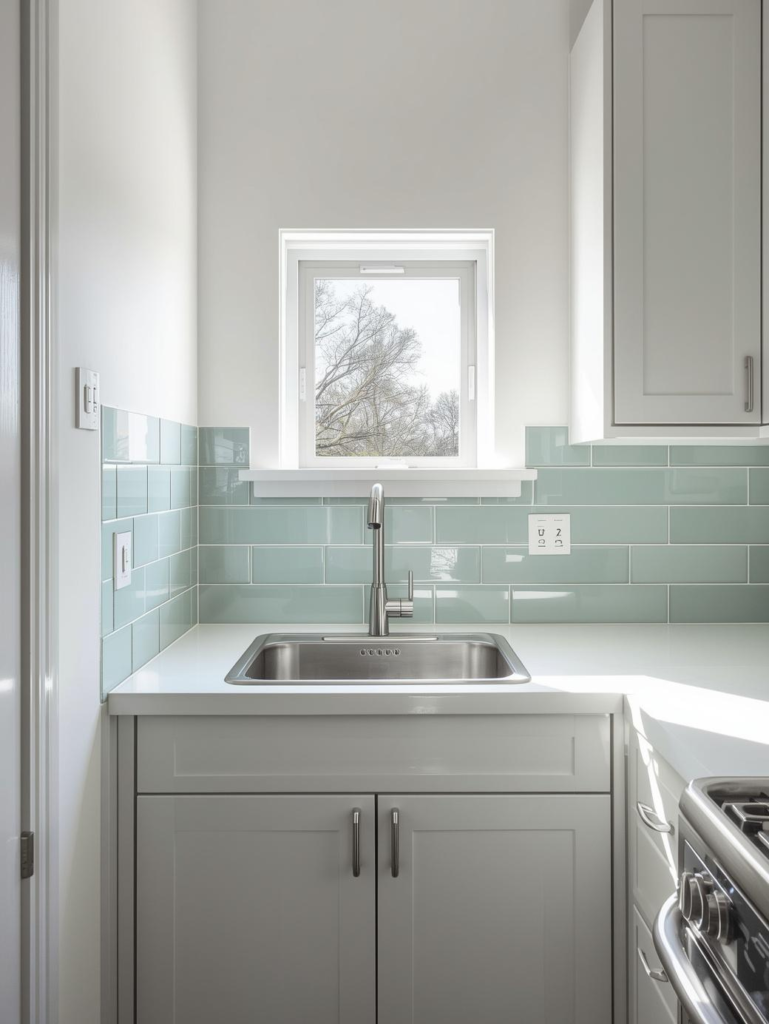
Small kitchens present unique design challenges, but green glass tile is one of the most effective tools for making a compact space feel larger and more open. The inherently reflective surface of glass bounces natural and artificial light around the room, creating a luminous effect that visually expands tight square footage. Choosing lighter shades such as mint, celadon, or pale seafoam amplifies this effect even further, as cooler and softer greens recede visually rather than advancing toward the viewer the way deeper tones do. A full-height backsplash that extends from countertop to upper cabinets also draws the eye upward and makes low ceilings feel taller.
Layout choices in small kitchens should reinforce the sense of space rather than fragment it. A vertical stack pattern elongates walls and adds height, while a large-format glass tile minimizes grout lines and creates a cleaner, less busy visual field than small mosaic sheets. Keeping the grout color close to the tile tone further reduces visual interruption and allows the reflective green surface to read as a continuous, flowing element. Pairing the backsplash with under-cabinet lighting positioned to graze the tile surface at night transforms the kitchen into a glowing, jewel-like space that feels anything but small.
10. Mixing Green Glass Tile with Other Materials
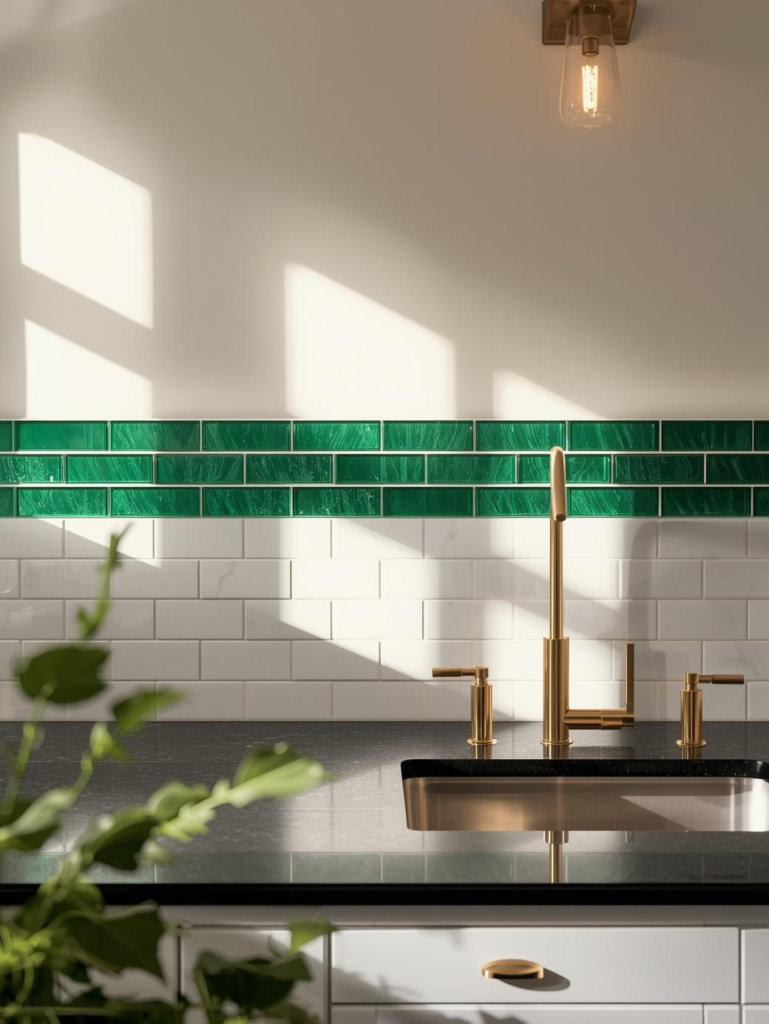
Combining green glass tile with complementary materials is one of the most effective ways to add depth, texture, and a high-end custom feel to your kitchen backsplash without dramatically increasing your budget. Pairing green glass tiles with white or cream ceramic subway tiles in alternating rows creates a playful yet sophisticated pattern that introduces contrast and visual rhythm. Natural stone accents such as a single row of marble or travertine tile used as a border or accent strip ground the reflective glass surface with organic texture, balancing the modern sheen of glass with an earthy, artisanal quality.
Metallic accent tiles are another excellent pairing option that elevates the overall design significantly. A single row of brushed gold or antique bronze glass tiles inserted horizontally through a field of sage green creates a ribbon of warmth that ties the backsplash to brass cabinet hardware and light fixtures throughout the space. Pebble or river stone mosaic inserts used behind the range as a focal point add a spa-like, natural quality that contrasts beautifully with the clean geometry of surrounding glass subway tiles. When mixing materials, the guiding principle is restraint, limiting the combination to two or three materials ensures the result feels curated rather than chaotic.
11. Green Glass Tile Backsplash Trends for 2025 and Beyond
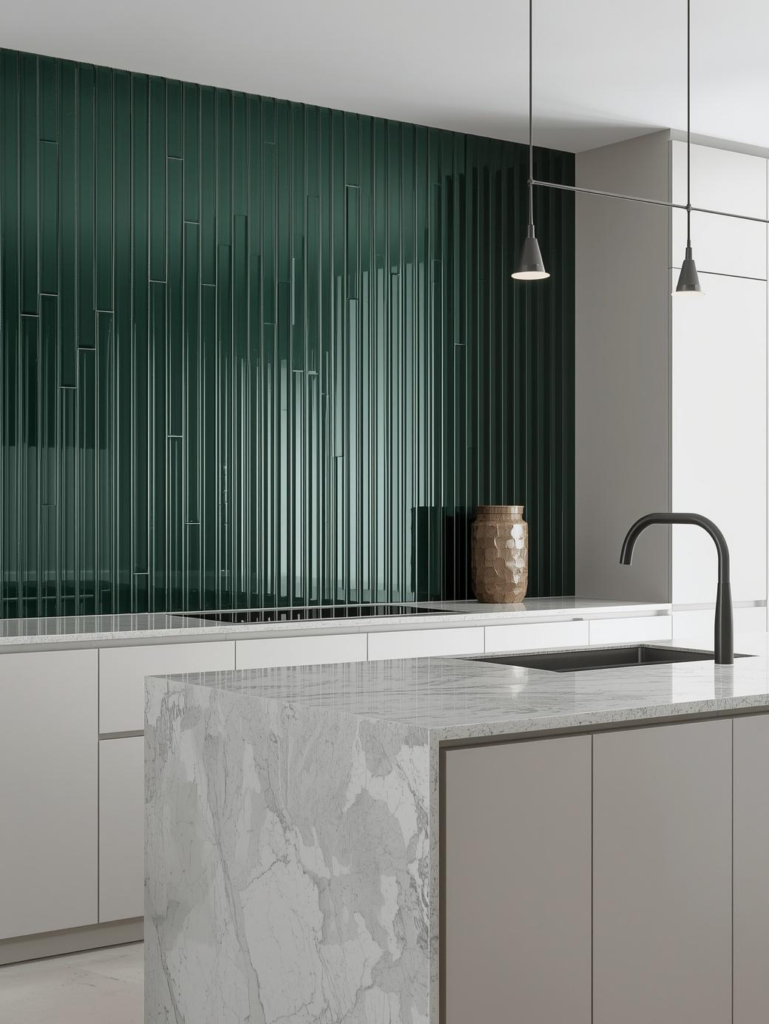
The design world has moved firmly toward maximalism with intention, and green glass tile is sitting at the center of that shift heading into 2025 and beyond. Oversized glass tile formats, think four-by-twelve or even four-by-sixteen inch subway tiles, are replacing the traditional three-by-six inch standard as homeowners seek bolder, more architectural backsplash statements. Deep jewel tones including bottle green, pine, and dark teal are overtaking the softer sage greens that dominated the early 2020s, reflecting a broader appetite for moody, dramatic kitchen interiors with real personality and conviction.
Handmade and artisan-style glass tiles with slight surface irregularities and color variation within each individual tile are also gaining significant momentum. These tiles bring an imperfect, hand-crafted quality that feels warm and human in contrast to the machine-precise uniformity of mass-produced options. Textured glass tiles with rippled, hammered, or crackled surfaces are increasingly popular for the way they scatter light in organic, unpredictable patterns that shift throughout the day as natural light moves across the wall. Sustainability is also influencing purchasing decisions, with recycled glass tile made from reclaimed bottles and windows becoming a preferred choice among environmentally conscious homeowners who want both beauty and responsibility in their renovation decisions.
12. Where to Buy Green Glass Tile on a Budget
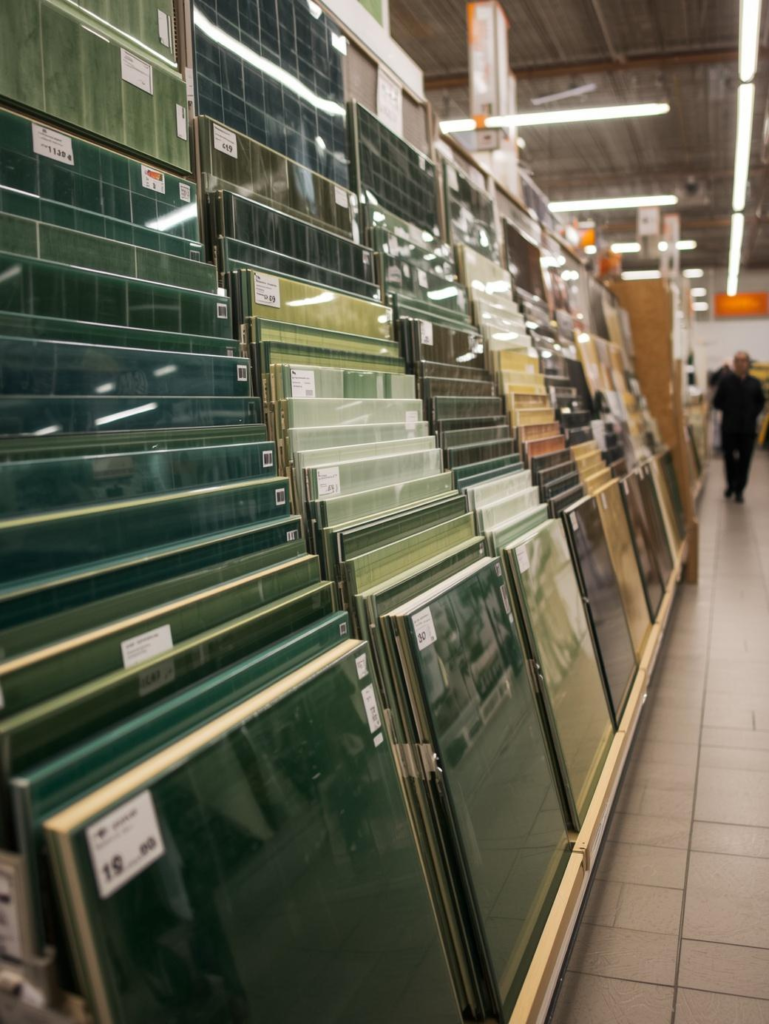
Knowing where to shop is just as important as knowing what to buy, and fortunately the market for affordable green glass tile has expanded considerably in recent years. Major home improvement retailers such as Home Depot and Lowes carry a reliable selection of green glass subway and mosaic tiles in their in-store tile departments as well as their online catalogs, often at price points well suited to budget renovations. Their in-store display boards allow you to see tiles at scale before purchasing, and both retailers offer sample tiles for a small fee so you can test shades against your existing kitchen before committing to a full order.
Online marketplaces including Wayfair, BuildDirect, and TileBar frequently offer competitive pricing on green glass tile, particularly when purchasing in bulk, and regularly run promotional sales that bring costs down further. Overstock and clearance sections on these platforms are worth checking regularly, as discontinued colorways and surplus inventory from larger projects are often listed at significant discounts without any sacrifice in quality. Local tile distributors and liquidation warehouses are hidden gems that many homeowners overlook entirely, often carrying high-end designer tiles at a fraction of their original retail price. Joining local home renovation groups on social media platforms can also connect you with homeowners selling leftover tile from completed projects, making it possible to source premium green glass tile for almost nothing.
Conclusion
A green glass tile backsplash is one of the most rewarding budget-friendly kitchen upgrades you can undertake. From selecting the perfect shade and layout to DIY installation and long-term care, every step of the process is manageable and deeply satisfying. The result is a kitchen that feels fresh, elevated, and full of personality without requiring a luxury renovation budget. Whether you pin this for a future project or begin planning immediately, a green glass tile backsplash is an investment in both the beauty and the value of your home that you will appreciate every single day.