Home Decor / Bathroom
10 Gorgeous Bathroom Tile Ideas That Look High-End on a Low Budget
Renovating a bathroom does not have to drain your savings to look like it did. The secret to a luxurious bathroom lies less in the price tag and more in the selection, placement, and pairing of tiles. With the right design choices, even the most affordable tiles available at your local home improvement store can transform a dated bathroom into a space that looks curated, expensive, and intentional. Whether you are working with a tight budget or simply want to get more value from your renovation dollars, these ten tile ideas will help you achieve a high-end aesthetic without the high-end cost.
01
Classic Subway Tile in an Unexpected Layout
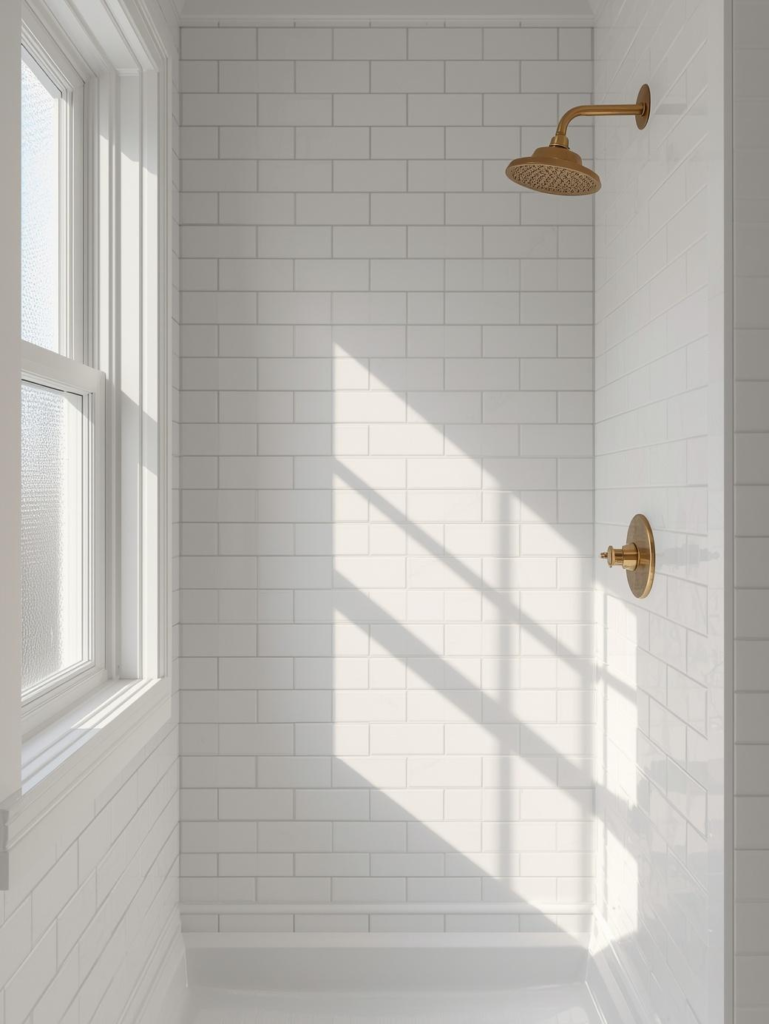
Subway tiles are among the most affordable options on the market, yet their clean, rectangular shape carries an undeniable sophistication that has endured for over a century. The real trick to making them look high-end is not the tile itself but the layout. Instead of the standard brick pattern, try laying them in a herringbone or vertical stack arrangement. These alternative patterns add visual complexity and depth that instantly elevates the entire room without spending a single extra dollar on the tile.
Pairing your subway tile with a contrasting grout color such as a warm charcoal or sandy taupe makes the pattern pop in a way that feels deliberate and designed. Finish the look with matte black or brushed brass fixtures, which photograph beautifully and give the space a boutique-hotel quality. The investment difference between a basic brick layout and a herringbone arrangement is zero, yet the visual result is dramatically more impressive, making this one of the smartest budget-conscious moves you can make in any bathroom renovation.
02
Large Format Floor Tiles to Create a Seamless Look
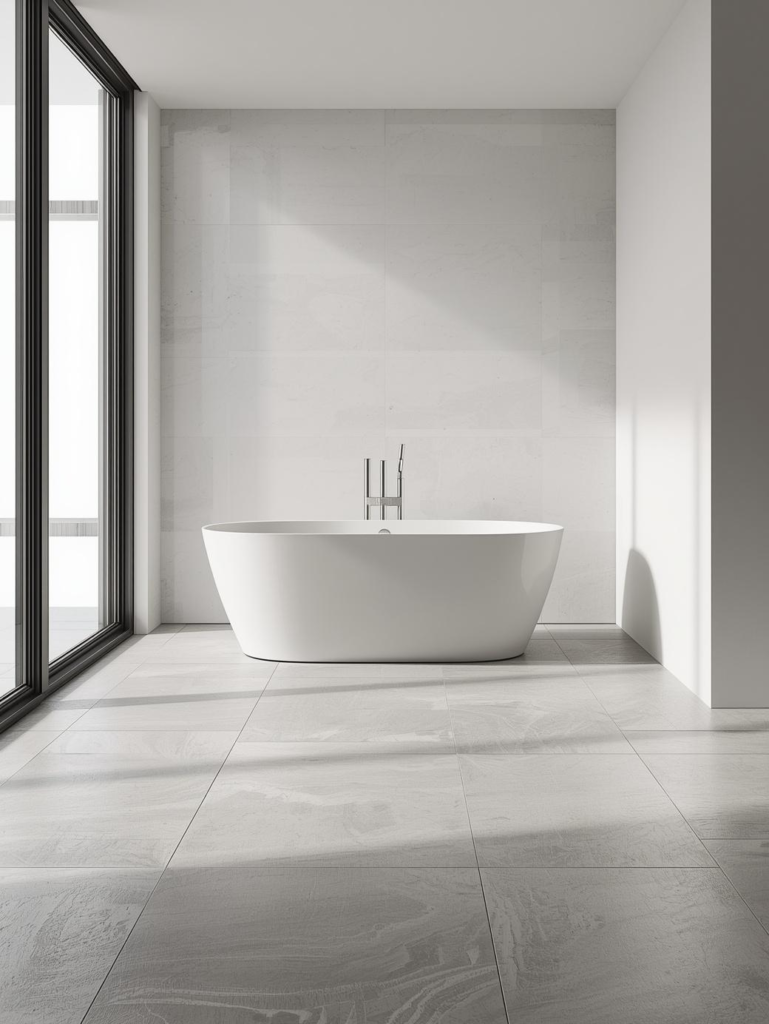
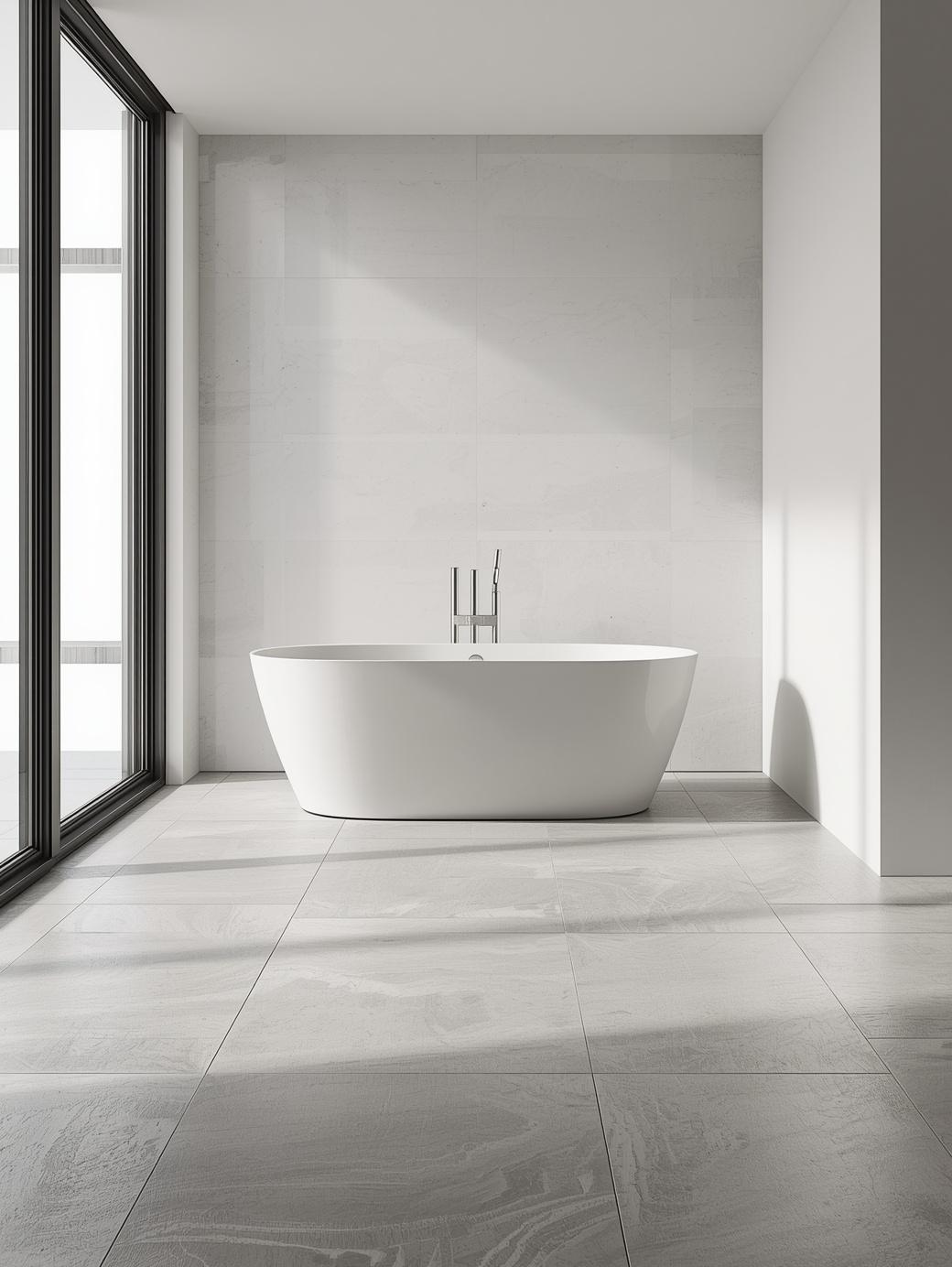
One of the fastest ways to make a bathroom look more expensive is to reduce the number of visible grout lines on the floor. Large format tiles, typically anything 18 inches or larger, create a sleek, continuous surface that reads as far more luxurious than smaller tiles. Many home improvement retailers sell large porcelain or ceramic tiles that mimic the look of marble, concrete, or stone at a fraction of the cost of the real materials. The fewer the grout lines, the more the floor reads as a single unbroken surface, which is the hallmark of high-end design.
When selecting large format tiles on a budget, look for options in soft neutrals like warm whites, greige, or light grey. These tones work with virtually every other color in the bathroom and never go out of style. Extending the same tile from the floor partway up the wall as a wainscoting accent creates a cohesive, spa-inspired environment that looks far beyond its price point. Keep grout lines as thin as possible and choose a grout color that closely matches the tile for that seamless, gallery-like finish.
03
Penny Round Mosaic Tiles for Texture and Character
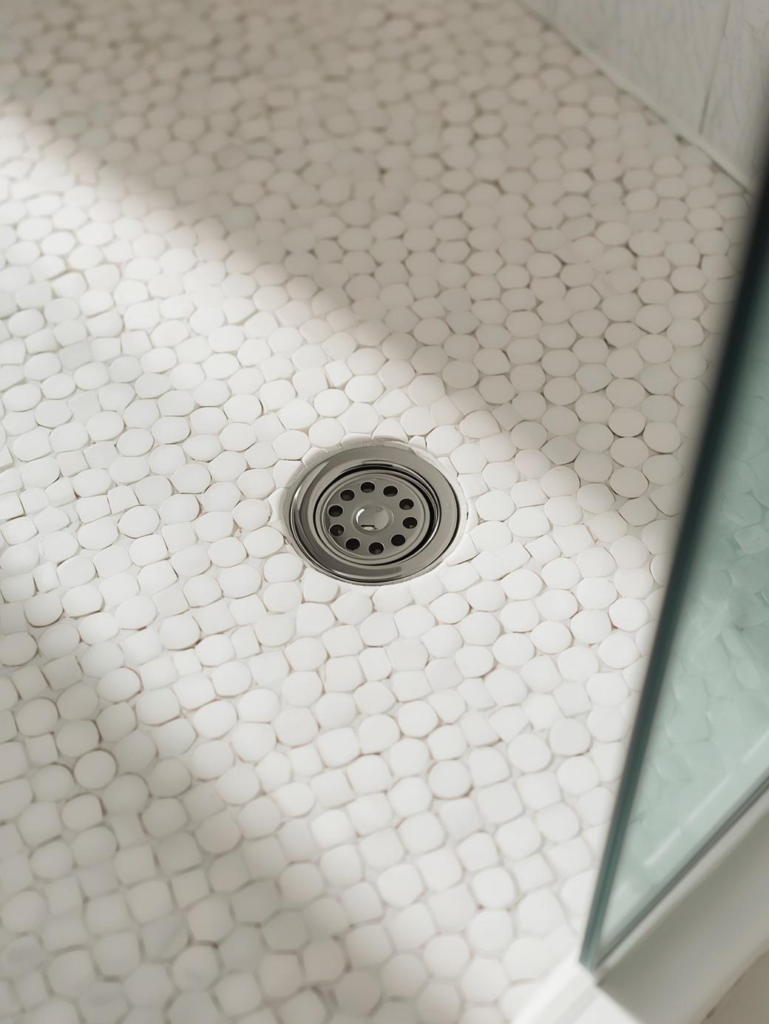
Penny round tiles have a timeless, artisan quality that looks far more expensive than their actual price. Typically sold on mesh-backed sheets, they are easy to install and create a rich, textured surface that adds personality to any bathroom floor or accent wall. Their small circular shape catches light from multiple angles, giving the surface a dimensional quality that solid, flat tiles simply cannot achieve. Use them on a shower floor, a niche shelf, or as a feature strip along the base of a vanity wall for a detail that looks custom and considered.
The most budget-friendly approach is to limit penny rounds to a single accent zone rather than tiling an entire room in them, which also keeps the material cost manageable. White or soft grey penny rounds on a shower floor pair beautifully with larger subway or slab tiles on the surrounding walls, creating a layered, designer look through contrast in scale and texture alone. This technique is a favorite among interior stylists because it creates the illusion of a higher budget by introducing visual variety with a relatively modest investment of material.
04
Bold Black and White Geometric Patterns
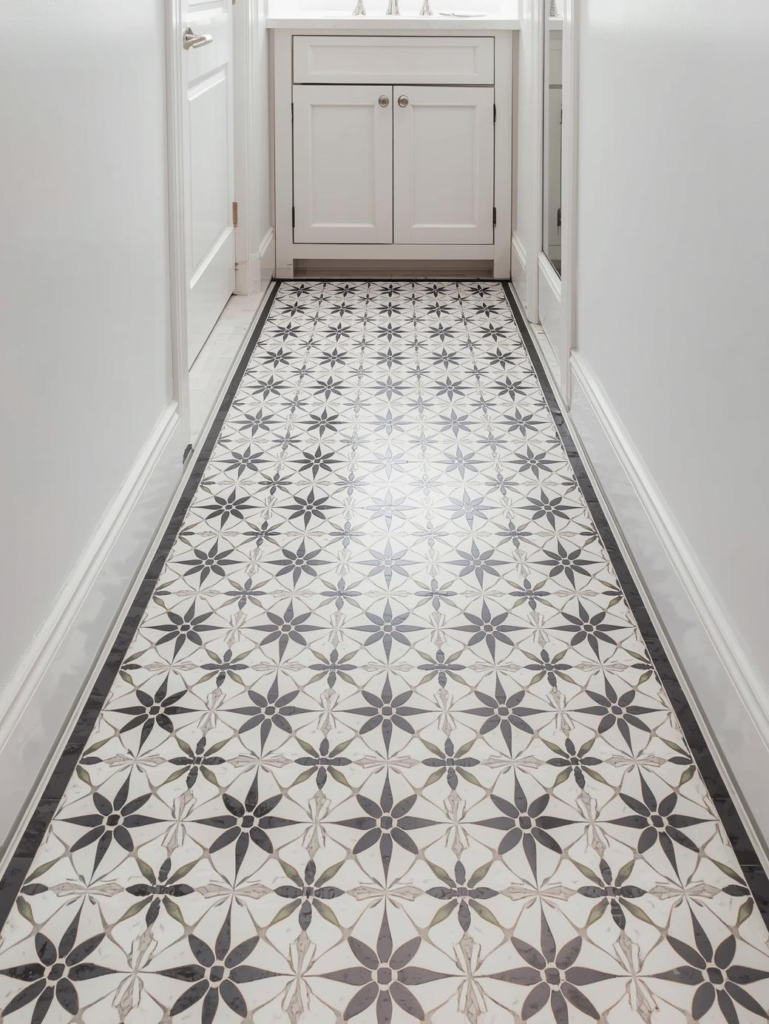
Black and white patterned tile is one of the most enduring motifs in interior design, evoking everything from Victorian townhouses to Parisian bistros and modern boutique hotels. The striking contrast between the two tones creates a floor that immediately becomes the focal point of the bathroom, eliminating the need for expensive decor or elaborate fixtures to make the space feel special. Many retailers now produce porcelain versions of traditional cement patterned tiles that offer the same visual impact at a dramatically lower price and with far greater durability and ease of maintenance.
To keep the look cohesive rather than overwhelming, use the patterned tile on the floor only and keep the walls clean and white. This restraint allows the pattern to breathe and read clearly without competing with other surfaces. Chrome or brushed nickel fixtures provide a crisp, clean contrast that enhances the graphic quality of the tile. Choosing a porcelain cement-look tile rather than actual handmade cement tile also means you avoid the sealing requirements and fragility associated with the authentic version, making this a truly practical and budget-smart design choice.
05
Marble-Look Porcelain Tiles Without the Marble Price
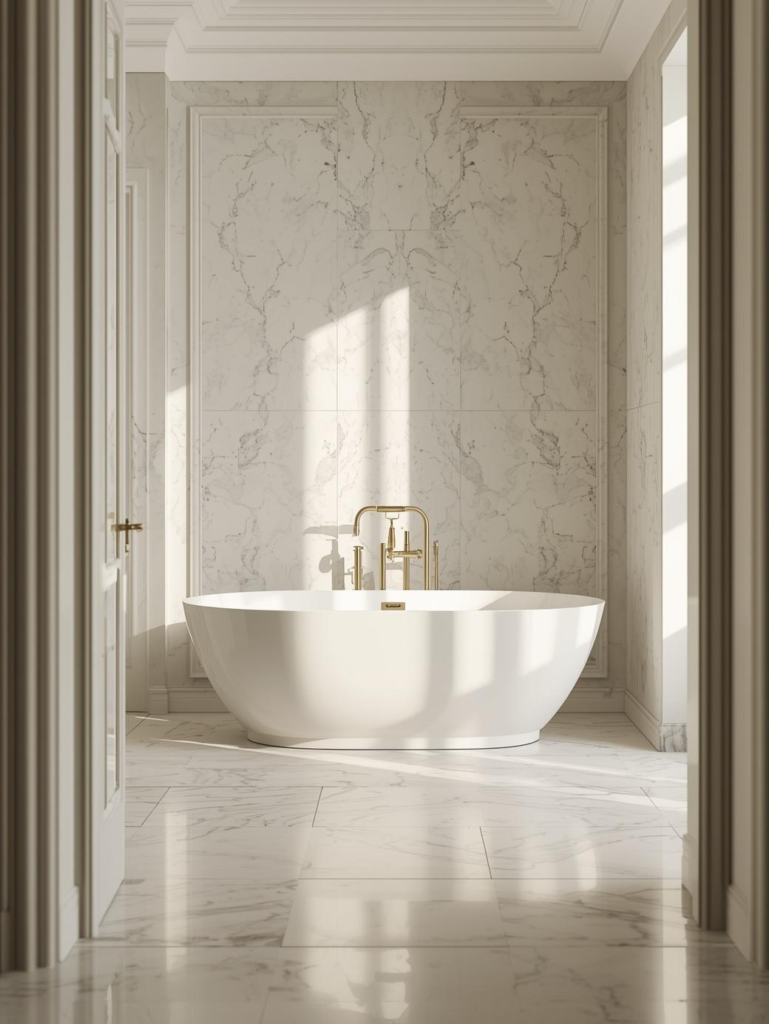
Genuine Carrara or Calacatta marble tile can cost anywhere from fifty to several hundred dollars per square foot, making it one of the most aspirational but financially inaccessible materials in bathroom design. Modern porcelain manufacturing has advanced so significantly that marble-look tiles now replicate the delicate veining, variation, and reflective quality of the real stone with remarkable accuracy. These tiles are available at a fraction of the cost of real marble and offer superior durability, resistance to staining, and ease of cleaning, making them not just a budget alternative but in many practical ways a superior choice.
When shopping for marble-look porcelain, look for tiles with a polished finish and natural variation in the veining from tile to tile, as uniformity is the telltale sign of a lower-quality print. Using the same tile on both the floor and the feature wall behind the vanity creates a dramatic, fully coordinated environment that reads as genuinely luxurious. Adding a simple linear drain in the shower and a frameless glass screen allows the tile to take center stage and reinforces the high-end aesthetic without adding significant cost to the project overall.
06
Vertical Stacked Tiles to Add Height and Drama
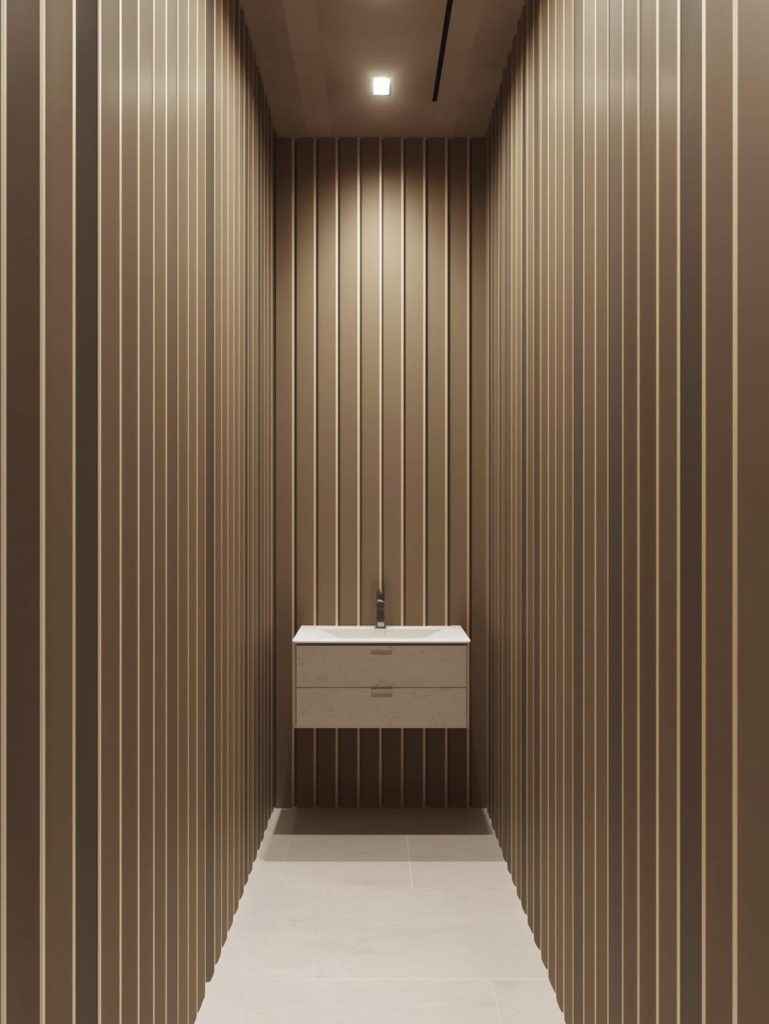
The direction in which you lay a tile has a profound effect on the perceived proportions of a bathroom. Laying long, rectangular tiles in a vertical stack pattern draws the eye upward, making low ceilings feel higher and the overall space feel more grand and expansive. This is an especially valuable technique in smaller bathrooms where limited square footage can otherwise make the room feel cramped. The vertical orientation adds a sense of architectural intention that immediately distinguishes a carefully designed bathroom from a standard one.
Tiles in the 4×12 or 4×16 inch range are ideal for vertical stacking and are typically very affordably priced. Light, neutral tones in a matte or satin finish work particularly well because they reflect light gently without creating glare, and they make the vertical lines feel clean and elegant. Taking the tile all the way to the ceiling without a border or cap strip gives the room a seamless, built-in quality that reinforces the illusion of height. This is one of the simplest and most cost-effective tricks for making a modest bathroom feel significantly more impressive and professionally designed.
07
Zellige-Inspired Handmade Look Tiles
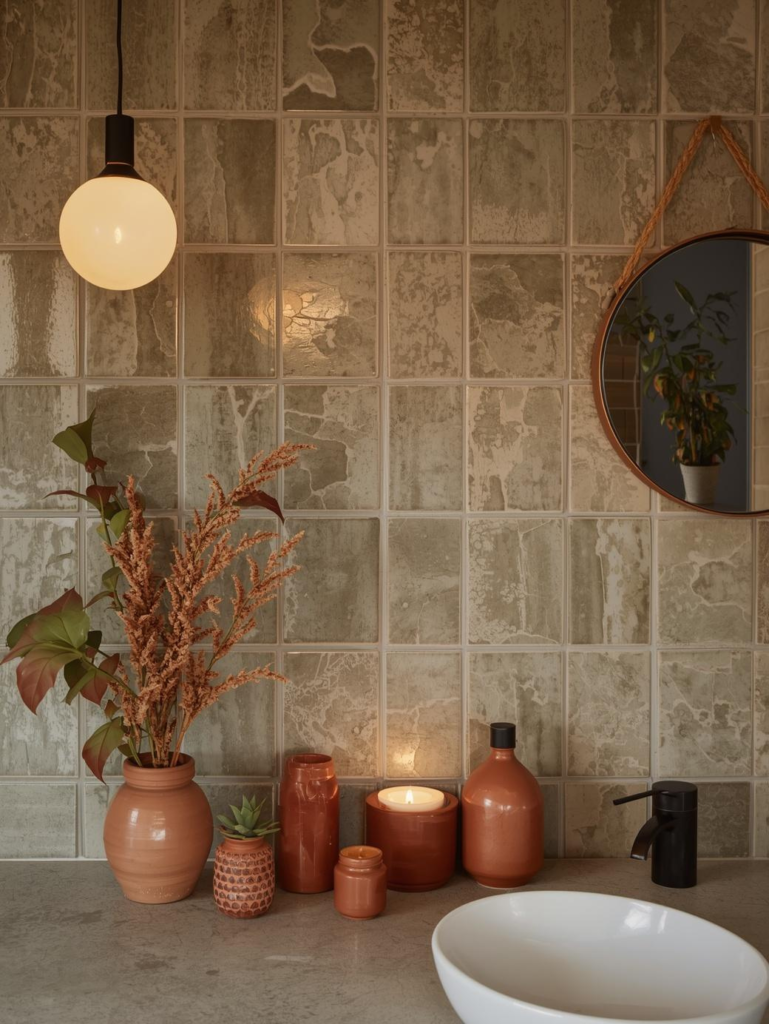
Zellige tiles, originating from Moroccan craft tradition, have become one of the most sought-after materials in high-end bathroom design thanks to their irregular surfaces, subtle color variation, and handcrafted imperfection. Authentic zellige can be prohibitively expensive and difficult to source, but many manufacturers now produce ceramic tiles that replicate the irregular, slightly undulating surface and tonal variation of the original. These reproduction tiles carry all of the visual warmth and artisan quality of the real thing at a price accessible to budget-conscious renovators.
Using zellige-inspired tiles on a feature wall behind the vanity or inside a shower niche creates a focal point that feels deeply personal and curated. Their slightly uneven surface catches light in a way that makes them look alive and textured throughout the day as the natural and artificial lighting shifts. Soft sage green, terracotta, warm white, and dusty blue are particularly popular colorways that pair well with natural wood vanities, rattan accessories, and brass hardware. Even a small quantity used strategically as an accent strip or niche lining creates a boutique-quality detail that elevates the whole room.
08
Two-Tone Tile Combinations for a Designer Look
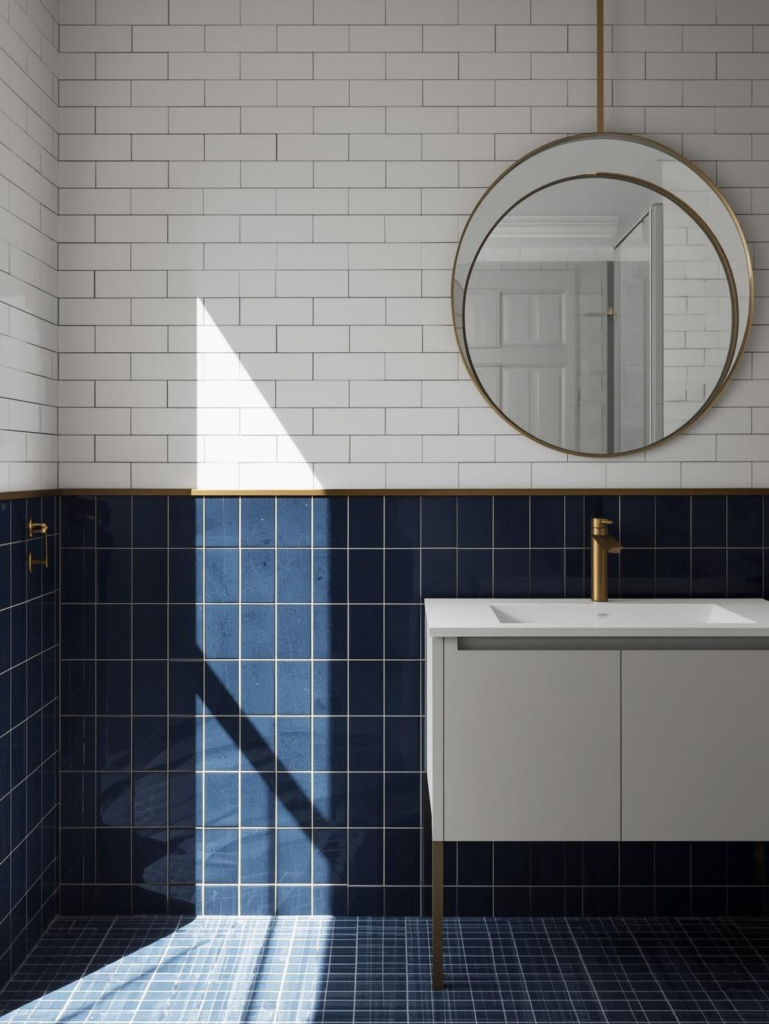
Combining two different tiles within a single bathroom creates the layered, considered look of a professionally designed space without requiring premium materials. The most effective approach is to divide the wall horizontally, using one tile on the lower portion and a contrasting or complementary tile on the upper section, separated by a slim metal or pencil-trim border strip. This technique mimics the traditional use of wainscoting and dado rails in formal architectural spaces, giving even a simple bathroom a sense of structure and design intelligence that reads as expensive and intentional.
The most successful two-tone pairings involve contrast in both color and texture. A glossy white subway tile on the upper wall combined with a matte deep navy or forest green tile below creates a rich, jewel-toned lower half that anchors the room beautifully. Alternatively, pairing a light neutral large format tile on the upper section with a smaller patterned tile below adds visual interest through scale and pattern rather than color alone. Keeping both tile choices within a restrained color story ensures the combination feels harmonious rather than busy, resulting in a bathroom that looks thoughtfully composed and far more expensive than it actually is.
09
Textured 3D Wall Tiles for an Art-Forward Statement
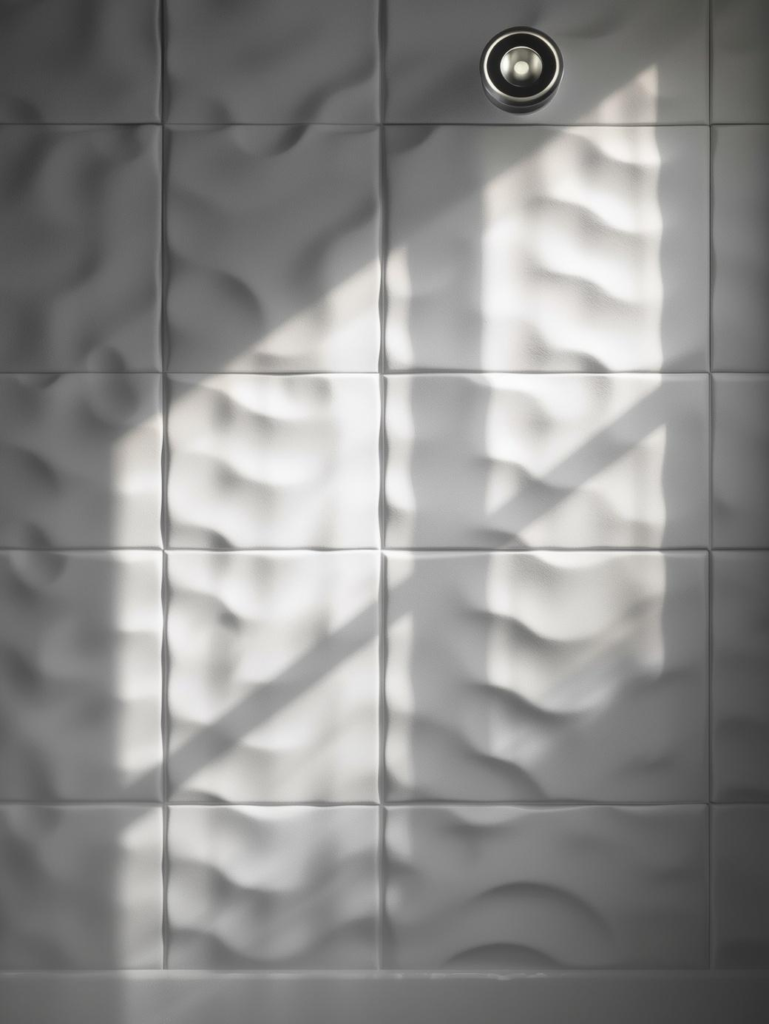
Three-dimensional textured tiles transform a bathroom wall into a sculptural installation that catches light and creates shifting shadows throughout the day. Unlike flat tiles, which rely entirely on color and pattern for their visual interest, 3D tiles add a tactile, architectural dimension that makes even a monochromatic bathroom feel dynamic and dramatic. Many affordable ceramic options are available in wave, scale, brick-relief, and diamond-facet patterns that create genuinely striking effects without requiring the kind of budget typically associated with designer feature walls.
The most effective way to use 3D tiles on a budget is to limit them to a single accent wall, most typically the wall behind the bathtub or the toilet wall, allowing one surface to carry the visual weight of the entire room. White or very light off-white textured tiles paired with strategic directional lighting create a particularly elegant effect, as the interplay of light and shadow across the relief surface changes character throughout the day. This technique delivers the kind of drama and artistry usually associated with custom or high-end renovations while using materials that are widely available and competitively priced at most tile retailers.
10
Warm Terracotta and Earthy Tones for a Timeless Feel
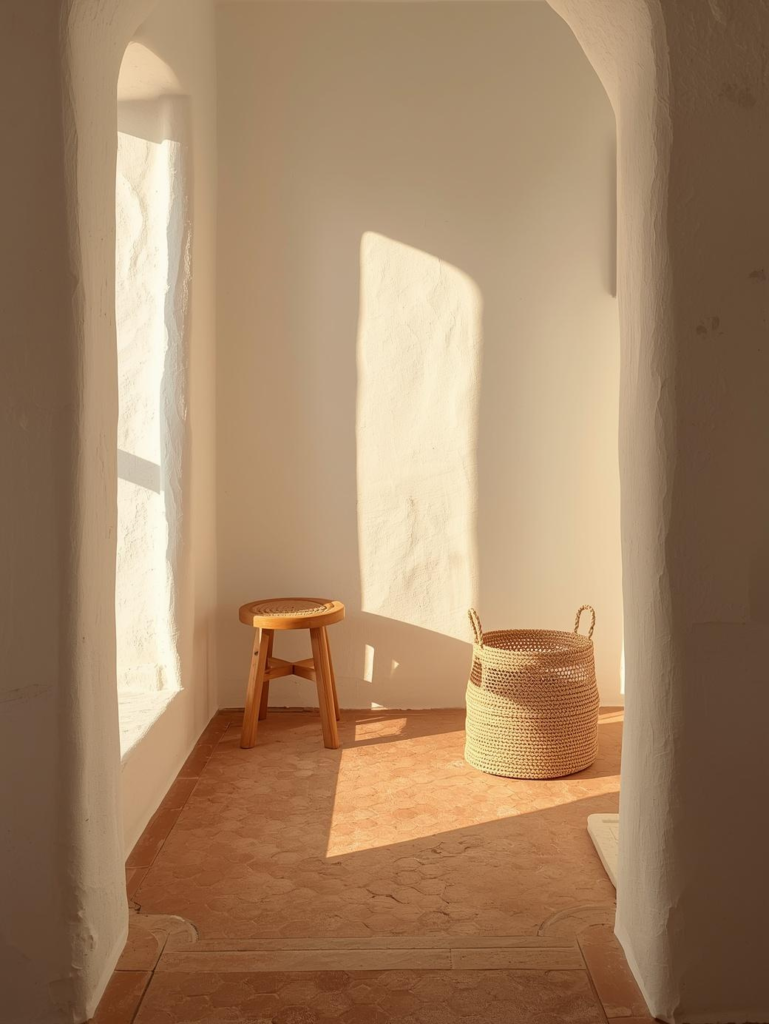
Terracotta and warm earthy tile tones have experienced a significant resurgence in interior design, appearing in the pages of every major design publication and across the most aspirational home renovation accounts on social media. Their appeal lies in their ability to make a bathroom feel warm, grounded, and genuinely welcoming rather than cold and clinical. Terracotta-look porcelain tiles in hexagonal, square, or rectangular formats are now widely available at accessible price points and deliver all the warmth of the real fired clay without the maintenance demands or fragility of traditional terracotta.
The beauty of earthy tile palettes is that they pair effortlessly with inexpensive natural accessories that reinforce the organic, artisan aesthetic. Woven baskets, wooden bath trays, terracotta pots, and linen towels all contribute to a cohesive look that feels curated and expensive to achieve but is actually very budget-friendly to style. Using terracotta tiles on the floor and keeping the walls in a warm off-white or limewash plaster effect creates a layered, textural environment with enormous visual richness. This is a design direction with genuine longevity, meaning your investment in these tiles will remain stylish and relevant for many years to come.
Final Thoughts
Creating a bathroom that looks expensive is far more about design intelligence than budget size. The tile ideas explored in this article demonstrate that with thoughtful selection, creative layouts, and a clear aesthetic vision, even the most modestly priced tiles can produce results that rival designer bathrooms costing several times more. The key principles to carry forward are contrast, restraint, and intentionality: choose one or two strong design moves and execute them well rather than trying to do everything at once. Whether you are drawn to the clean geometry of a herringbone subway tile, the warm sensuality of a terracotta floor, or the sculptural drama of a 3D feature wall, the most important investment you can make in any bathroom renovation is in the quality of your decisions, not the quantity of your spending.